


Having a tidy retail space is more than just about how pleasant it renders the space. It helps customers be at ease, appreciate the products better and creates the atmosphere in which people want to linger. From the impeccably clean entry doors to the spotless floors and hygienically kept restroom facilities, the small details of the retail business affect the impression customers make about it. Professional services of [cleaning services Tampa] will help the owners of retail companies create a good environment for clients and effectively organize their daily activities.
Different retail sectors have different situations dealing with cleaning depending on their size, merchandise, layout, and customer traffic. For example, clothing stores can need constant cleaning of mirrors and fitting rooms where grocery stores have to deal with spills, checkouts, and sanitation issues. Regardless of the type of business each owner should have a good plan of cleaning.
At Wow Now Cleaning, we believe effective retail maintenance starts with consistency and clear priorities. Professional retail cleaning services Tampa retailers choose should reflect the store’s layout, customer traffic, and operating schedule rather than rely on the same routine for every business.
Daily Cleaning vs. Deep Cleaning Schedules
All retail businesses require frequent maintenance and periodic deep cleaning of their premises. Regular cleaning helps get rid of dust, litter, and stains that accumulate due to normal activities. Deep cleaning implies removing dirt that routine cleaning cannot eliminate completely, such as deposits along the base of walls, marks in the grout, and dust from inaccessible places.
The frequency of cleaning procedures is dependent on the business hours of the store, the volume of visitors, type of floor, and type of goods sold. For instance, a store that is always crowded may require several cleaning operations during the day, while a small outlet can do most of the routine cleaning before opening and/or after closing.
The goal of cleaning procedures is not to clean all places with the same frequency. The main task is to determine which places should be cleaned more often and create a cleaning schedule for the remaining areas accordingly. A reliable store cleaning company Tampa retailers work with can help managers separate daily tasks from periodic deep cleaning and establish a practical schedule for both.
Request an Estimate Today
Make your home spotlessly clean with Wow Now Cleaning
What Should Be Included in Daily Retail Cleaning?
Daily cleaning should revolve around specific places and things, including customer areas, areas with frequent touch, and places where dirt and dripping can become apparent. Based on the type of store and its internal structure, the daily cleaning routines may contain:
- Sweeping, vacuuming, or mopping floors, depending on the chosen methods.
- Cleaning entrance doors, windows, and door handles.
- Eliminating fingerprints on mirrors and display materials.
- Dusting the parts of displays, tables, and shelves.
- Cleaning the cash desks and other touching points.
- Emptying waste barrels and changing liners when necessary.
- Cleaning restrooms for customers.
- Wiping breakroom counters, tables, and other shared surfaces.
- Removing visible spots, crumbs, or pieces of debris.
- Checking changing rooms and mirrors inside them.
- Ensuring cleanliness of entrances and passageway areas.
Also, some tasks must be performed only when the store is functioning. For instance, a spill near the cash desk should be cleaned immediately as customers might step on it before the next cleaning shift arrives.
It is important that store employees and cleaning agents understand their roles. The employee might be responsible for merchandise organizing and reporting issues, while the cleaning agent should provide faithful servicing of the floors, restroom cleaning, waste removal, and other activities.
How Often Should Deep Cleaning Be Scheduled?
Moreover, how often a store should be deep cleaned depends on the conditions of that location. Some places may require intensive cleaning monthly whereas at other locations certain tasks may need to be carried out sometimes or only at certain times of the year.
Common deep cleaning tasks may include:
- Deep cleaning of corners, baseboards, and edges of the floor.
- Use of professional carpets extractor where necessary.
- Full cleaning of tile and grout.
- Cleaning behind moveable objects when it is allowed to do so.
- Removal of dust from accessible areas that were not cleaned for some time.
- Deep cleaning of fitting rooms and staff rooms.
- Cleaning glass inside the store besides ordinary cleaning.
- Special treatment of floors according to their type.
Retailers must also schedule deep cleaning activities as they coincide with merchandising activities, construction work, inventory management, and big events.
Floor Care and Protection
In retail establishments, flooring is one of the most utilized areas. In these retail spaces, customers enter with dirt and moisture. Even shopping carts create friction on the floors. Floor maintenance is essential because they may lose aesthetic appeal or form an accumulation with time without diligent upkeep.
The first step to maintaining a clean surface is to know its type. The type of flooring can be tile, vinyl, natural stone, carpet or polished floor each of which requires a different floor maintenance process for effectiveness. Professional retail cleaning services should account for these differences and use methods that protect each surface while removing everyday soil.
Choosing the Right Cleaning Method
Before selecting products or equipment, the cleaning team should identify the floor type and check any manufacturer recommendations available to the property manager.
- Tile and grout: Regular sweeping and damp mopping remove everyday soil. Grout may need periodic detailed cleaning because dirt can collect in its textured surface.
- Luxury vinyl tile and vinyl plank: Use compatible products and avoid excessive moisture or abrasive tools that could damage the finish.
- Natural stone: Select products appropriate for the specific stone. Certain acidic cleaners can damage sensitive stone surfaces.
- Carpet: Regular vacuuming removes loose soil, while periodic extraction may help address deeper buildup.
- Polished or coated floors: Use maintenance products compatible with the existing finish to avoid dullness, residue, or damage.
- Concrete and specialty surfaces: Cleaning procedures should reflect the surface’s porosity, coating, and condition.
The cleaning provider should also confirm which products are approved for the store. When the suitability of a product is uncertain, testing it in a discreet area can help identify potential problems before it is used across a larger surface.
Preventing Slips and Premature Floor Wear
Ensuring the safety of a store also includes maintaining the floors. If a floor is wet—due to water, cleaning residue, or food spills—it becomes slippery, particularly near entrances, restrooms, drink areas, and checkout areas. The cleaning methods should come with the appropriate warning signs, temporary access restrictions, and enough drying time before customers come back. The staff should not assume that stronger solutions would give better results but should follow the instructions provided for dilution and use.
Entrance mats are designed to collect dirt and moisture from visitors, particularly during rain. However, mats should be checked routinely for curling, moving around, and getting wet. The difficulty with mats is that they become a hazard if damaged or placed incorrectly.
Regular clearing away dirt and rubbish provides protection for some floor finishes from gradual wear. In busy places, a cleaning schedule of frequent sweeping and vacuuming will work better than just a sporadic deep clean.
Building a Practical Floor Maintenance Plan
The floor care plan should indicate the places that require daily service and the places that need occasional service. High-traffic areas such as entrances, checkout lanes, and high-traffic aisles of the store are usually more closely monitored than low-traffic areas such as storage and offices.
The plan also indicates how spills are cleaned by mentioning the products approved for use, the requirements for using specialist services for floor maintenance, and the authority to request additional services. All this information will help manager determine whether the provided services meet the store’s requirements.
Display Area Cleaning Without Damage
Display is considered to be an important factor in the shopping process. Customers want products to be appealing, shelves to be clean, and glass cabinets to be transparent. Dust and fingerprints may distract customers who might consider even the most carefully arranged display, to be dirty.
At the same time, cleaning displays is more complicated than usual surface cleaning. Retail display elements can be made of glass, acrylic, metal, lacquered wood, cloth, lighting and electronic equipment, and cleaning of all these surfaces should be performed individually.
Protecting Merchandise and Fixtures
Before performing cleaning procedures on displays, staff should verify that a cleaning task would be safe and feasible from the location of display items. No merchandise should be moved unless the store has permitted the process and given instructions about how to carry it out.
Appropriate display cleaning systems may involve:
- Wiping dust off safe surfaces.
- Cleaning glass using an approved product.
- Employing proper microfiber cloths to prevent scratches.
- Minimizing moisture exposure to electrical components.
- Adhering to guidelines for somewhat fragile and expensive merchandise.
- Keeping cleaning materials away from exposed products.
- Informing someone about damaged facilities instead of performing repair work on their own.
Various acrylic display devices are prone to scratches or clouding if cleaned using abrasives or inappropriate materials. E-display and illuminated devices may also have specific cleaning instructions. There should be no spraying liquids onto any electronic item unless the manufacturer allows such actions.
During preparation for cleaning, staff must realize all limitations regarding display types, demonstration items, and sensitive equipment.
Keeping Shelves, Mirrors, and Fitting Rooms Presentable
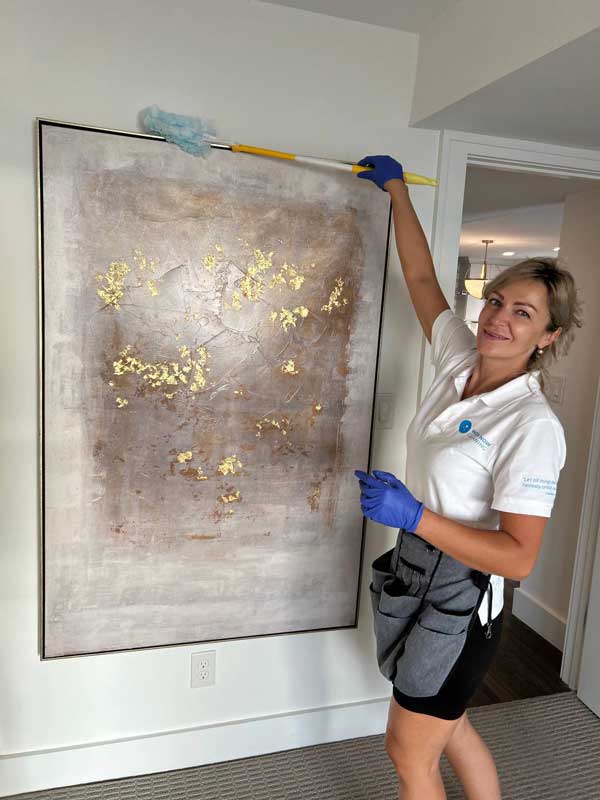
Dust can settle on shelves and decorative objects even if the ground looks tidy. Therefore, cleaning plan should cover display areas, with the frequency based on their visibility, material used, and dust levels.
It is also important to keep checkout counters clean, as customers and staff use them very often. Payment terminals, monitors, scanners, etc., should be cleaned with the right cleaning products and cleaning procedures, as general-purpose cleaning sprays can be harmful to sensitive devices if used wrong.
It is also important to pay attention to fitting rooms in clothing shops. Mirrors, benches, hooks, door handles, and floors can gather fingerprints, lint, and debris during the day. The cleaning staff should clean as much visible rubbish as previously agreed, while the store employees should take care of product organization.
In doing so, both store teams can keep the area clean without disturbing the usual product display.
Restroom and Breakroom Standards
Restrooms and employee breakrooms may not be the first areas customers see, but their condition can strongly influence how people perceive a business. A clean sales floor cannot fully compensate for an unpleasant restroom or a breakroom with overflowing trash and dirty counters.
These areas also require different cleaning procedures. Restrooms need consistent sanitation, odor control, and supply checks. Breakrooms need attention to food residue, shared appliances, counters, and waste. A reliable store cleaning company should follow clear checklists for these spaces and coordinate with managers when supplies run low or maintenance issues arise.
Maintaining Clean Customer Restrooms
Restroom cleaning should follow a consistent checklist that reflects customer volume and facility requirements. Depending on the location, tasks may include:
- Cleaning and disinfecting toilets, urinals, and sinks as appropriate.
- Wiping faucets, handles, and other frequently touched surfaces.
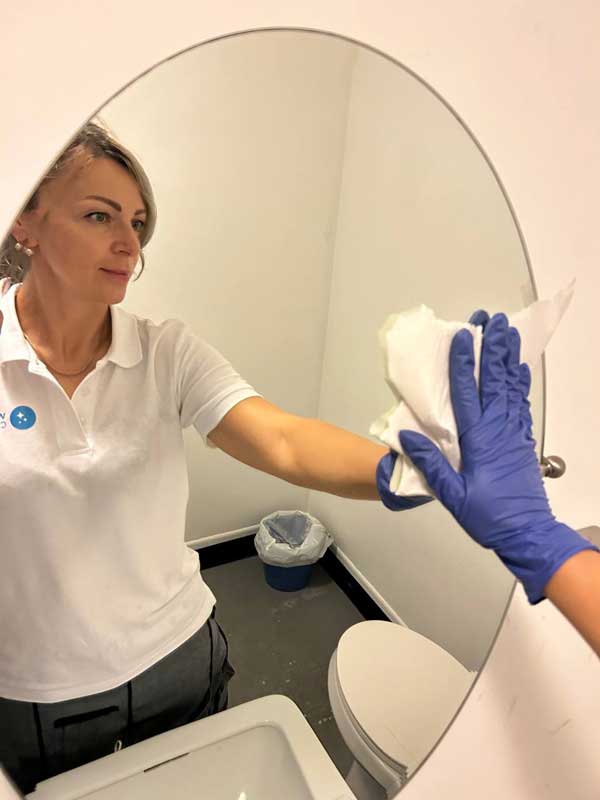
- Cleaning mirrors, partitions, and accessible fixtures.
- Mopping floors using suitable products and procedures.
- Emptying trash bins and designated waste containers.
- Refilling soap, paper towels, and toilet paper when included in the service.
- Checking for visible dirt, unpleasant odors, and spills.
- Reporting leaks, damaged dispensers, or other maintenance issues.
Cleaning tools used for toilets should not be used on sinks, counters, or other cleaner surfaces. Separate or color-coded tools can help prevent cross-contamination when staff are trained to use them correctly.
Restroom supplies also need monitoring. An empty soap dispenser or a lack of paper towels can create a poor experience even when the room has been cleaned thoroughly. The service agreement should clarify who supplies consumables, who checks inventory, and how shortages are reported.
Cleaning frequency should reflect actual use. A high-traffic store may need restroom inspections and touch-ups several times during the day, while a smaller shop may require fewer visits. Managers should assess customer volume and adjust the schedule when complaints or repeated supply shortages indicate that the current routine is insufficient.
Keeping Employee Breakrooms Hygienic
The breakroom is an area that can quickly become cluttered with crumbs, grease, food debris and unpleasant odors. The regular cleaning procedure could entail wiping down counters and tables, cleaning sinks, emptying garbage and cleaning around common equipment where spills occur.
The responsibility for keeping the breakroom clean falls on employees who will be accountable for their own things stored in the breakroom as well as ensuring that the store’s regulations for food storage are followed. The cleaners aren’t responsible for disposing of personal things or food unless the company has defined the relevant processes.
Cleaning microwaves, refrigerators and other common appliances may need to take place periodically depending on the agreement reached prior to any cleaning particularly if cleaning as such involves working with the employees ‘ food and their own containers.
Having a clean breakroom will create a more pleasant working experience and prevent cases of minor issues from becoming major problems. The clear expectations help share the responsibility of keeping the breakroom clean.
Off-Hours Cleaning to Minimize Disruption
Cleaning services for retail establishments need to be coordinated with their working hours. For instance, thorough cleaning of floors, removal of debris, and other tasks requiring extensive equipment could be hard to pull off while customers are doing their shopping. However, maintenance may still be necessary during working hours in case of spills, restroom cleanouts, and small maintenance operations.
Many retailers prefer cleaning service to be carried out early in the morning or after closing so larger tasks can be completed without affecting business, deliveries, or promotional activities. When choosing a timetable, managers should consider security requirements, store hours, staffing, and the size of the job. Your store cleaning service should fit these operating needs and minimize disruption to customers and employees.
Before Opening: Preparing the Store for Customers
Cleaning before the opening of a store aims to prepare the store for its first customers. Activities should include cleaning entry doors, checking the floor, taking out the garbage, cleaning the restroom, and wiping traces of fingers off the glass.
The cleaning timetable should leave enough time for floors to dry and for removing the cleaning gear before the customer arrives. If employees come in early to arrange products in the shelves or to create displays, these actions should be known by the cleaning team.
Directors should tell the cleaning team about any special instructions in time. For instance, if the store is prepared for the launch of a new product, it may need to pay special attention to the entrance and the product displays, or its restroom and floor.
After Closing: Completing Detailed Cleaning
Cleaning outside business hours enables employees to take care of areas that may not otherwise be accessible. Cleaning might include such activities as cleaning the floors thoroughly, cleaning the restrooms, collecting garbage, and performing other agreed work regarding displays and other fixtures.
Cleaning after closing also raises security issues, involving clear instruction on how to get in or out of the building, where doors are, instructions to follow concerning alarm, keys and access codes, and reporting any issues, if they arise.
Additionally, the manager should specify no-go areas and how cleaning personnel should act in case any damage or an unsecured entrance is found. Written instructions should eliminate possible confusion when the regular staff is absent.
Handling Cleaning Needs During Business Hours
There are some occurrences where immediate attention must be given to tasks before closing time of the store. Spilling a drink, a full trash can, or running short of supplies can require urgent action.
When a store undertakes cleaning during the working hours, it must ensure that disturbance is minimized and safety measures are taken. It must make sure that nobody uses emergency exits that are obstructed by equipment, and wet-floor areas are well marked.
Some simple communication methods must be established by the store so that employees can alert their managers without delay.
Seasonal Shopping Season Demands
Retail cleaning needs vary considerably throughout the year. Things like holiday shopping, back-to-school events, clearance sales, and seasonal promotions can make the number of customers increase and create extra work for entrances, aisles, fitting rooms, bathrooms, and waste containers.
What may work during a normal week may not be enough during the busy period. When retailers experience increased customer activity, the best choice would be to review the overall cleaning procedures beforehand rather than wait for the results.
Preparing for High-Traffic Periods
Prior to a significant sales occasion, it is recommended to determine areas that are in need of specific focus. Entrance mats, cash registers, main aisles, changing rooms, toilets, and refuse points are the prime candidates.
One should prepare for:
- Examination of the current timetable and assessment of weak points.
- Organization of more inspections for the restrooms on peak hours.
- Analysis of entrance mats and double-checking their reliability.
- Putting off floor care till the busiest days.
- Ensuring rubbish collection is organized properly.
- Recap of spill response practices for the staff.
- Arranging an extra cleaning if required after the events.
The plan has to comply with the functioning hours of the store. For instance, in case a shop plans longer working hours for a holiday event, the cleaning time should be afterwards. The clothes store that is likely to be visited frequently by shoppers in the changing room will need extra checks while the event is taking place, rather than utilizing overnight service only.
It is actually possible to run additional cleaning in a smoother manner, thanks to a well-prepared schedule instead of implementing important changes when staff members are occupied with customers.
Adapting to Tampa’s Weather Conditions
Stores located in Tampa are likely to face increased cleaning requirements from rain, humidity, pollen, and debris from outdoors. Water and dirt can be tracked inside the store, especially in entrance areas and covered walkways.
To deal with this situation, retail stores should check the mats regularly, clear the debris tracked in by people, and change the schedules for spot cleaning according to the weather. It is also necessary to monitor the outside areas of the store for any litter and garbage, with the tasks broken down between the store, the property manager, and the cleaning company as needed.
Big water issues and damages caused by storms should be viewed as maintenance problems and should not enter into the usual cleaning activities. If the area is dangerous to approach, the access to it should be limited.
Managing Additional Waste and Packaging
Busy shopping periods often generate a greater amount of cardboard, packaging, food containers, and general waste. If the usual collection schedule is unable to keep up with the demand, this may lead to overflowing bins and the accumulation of waste in shopping areas.
It is recommended that managers evaluate the capacity of bins and collection protocols prior to the expected increase in customer activity. The cleaning staff should be able to take out the waste as per the contract and notify about overflowed bins. However, it might be necessary to arrange extra waste collection through another specialized supplier.
The seasonal cleaning plan should cover the ways of requesting, approving and documenting extra clean-up visits. This will allow the store to maintain its cleanliness and have its extra expenses under control.
Retail Compliance and Safety Standards
Retail cleaning is about ensuring a clean and safe environment for customers and employees alike. The specific standards to be met depend on the place of business, type of business, the premises, and goods sold. A boutique, supermarket, or electronics store may have different requirements of operations or cleaning.
All managers need to be familiar with the relevant standards and ensure that the cleaning service they hire is capable of meeting the requirements.
Safe Handling of Cleaning Products
You must choose the appropriate cleaning product according to the surface and the job you are undertaking. It is very important that staff show respect to the product instructions, use the appropriate equipment, and never mix chemicals unless they have been told to do so.
Moreover, the cleaning products should be kept in a safe place and used according to the standards established in the workplace. The cleaning products must be correctly labeled, and staff should know how to register with safety data and to act if a chemical accident occurs.
Training is especially important for employees responsible for cleaning delicate flooring materials, modern electronic devices, and cleaning food-related areas. Employees have to be aware of dilution rules, ventilation standards, and whether products are allowed to be used close to the goods.
Finally, the managers are to inform staff about site specifics in order to avoid misunderstandings. These might include things like authorized chemicals, banned chemicals, and storage, and reporting procedures.
Preventing Slips, Trips, and Access Hazards
During the cleaning process hazards disconnected from cleaning itself might be discovered by cleaning personnel such as loose tiles on the floor, faulty mats, leaking devices, insufficient lighting, standing water, or blocked paths.
In this case, all of the problems should be reported through the designated communication channel of the shop. Cleaning personnel should not attempt to fix anything that goes beyond their training and responsibilities.
Proper placement of hoist equipment, cables, carts, and cleaning signs is important in order to avoid hindering movement of people. Emergency exits must always remain clear.
Certain spill instructions must prescribe who is responsible for restricting access, disposing of waste and making sure that an area is safe enough to come back to operation. It is important for the employees to know how to reach for help at critical times.
Restroom Sanitation and Operational Requirements
To meet the hygiene needs of any establishment and maintain sanitation in bathrooms, some regulations must be implemented as per the various rules of operation of a company. As per OSHA, it is important for employers to provide bathrooms that are safe and clean for their employees. Retail industries are also required to check what rules they have to follow depending on their type of business.
If the retail industry involves food preparation or food handling, there is a possibility of other sanitation requirements to be implemented. The tasks must also be completed by following appropriate practices rather than using typical cleaning guides applicable generally for retail stores.
According to the service agreement established between a retail business and a cleaning company, it must be clear what sanitation jobs have to be granted to the cleaning company and how often and what has to be done by the store’s management.
Documentation and Quality Checks
A record keeping plan to document sanitary procedure completion enables managers to verify task execution and see potential problems occur frequently. The amount of detail kept should fit the size of the facility.
Examples of what records may include:
- Dates of cleaning days.
- Areas serviced and jobs performed.
- Restroom inspection if required by the service plan.
- Reported spills, damages, or any maintenance issues.
- Jobs not done and corrective measures taken.
- Extra services needed or delivered.
- Photographs/notes made.
Managers should analyze records together with the condition of the facility. If the entrance gets dirty before lunch, it may make sense to change the cleaning schedule instead of just keeping record of the same problem.
Quality checks should focus on important aspects from customers’ and employees’ perspectives. Periodic inspections can help to see if the plan is efficient, make necessary changes to frequency/description of tasks.
Choosing a Retail Cleaning Provider
Before hiring a cleaning company, businesses must verify details about the work required, frequency of service, hours of operation, the method of cleaning, and the process to be followed in case of any complaints about the quality of service. The proposal must clarify the tasks included, services excluded, obligations regarding the supplies, and any extra charges.
Businesses should ensure that a cleaning proposal takes into consideration the features of the premises. For a small store, a simple plan of regular cleaning may be sufficient. However, for a big retail space with numerous entrances, fitting rooms, and toilets, the plan must envisage more frequent cleaning.
When selecting a cleaning provider, it is important to consider its ability to explain the cleaning process. Managers should understand how staff members access the premises and how issues are reported. Local knowledge may be useful for discussing weather-related cleaning requirements, but it should be considered alongside training, reliability, communication skills, and the provider’s ability to perform the required tasks.
When evaluating providers, confirm that the company can follow the agreed schedule, communicate access or safety issues, and explain which tasks are included in each visit. An effective proposal should specify what will take place during each visit and which services require additional approval. This clarity helps managers compare providers, control expenses, and maintain consistent expectations over time.
Conclusion: Retail Store Cleaning and Maintenance
Ideal cleaning in a retail store comprises the right cleaning process that is regular, proper floor cleaning process, displays in good condition, sanitary bathrooms, and a schedule complying with the traffic of clients. Retailers can manage to attain a professional environment by doing the cleaning on a daily basis and also being aware of safety measures.
At Wow Now Cleaning, we believe the right cleaning plan should reflect each retail business’s layout, schedule, and customer traffic. A consistent approach helps keep floors, displays, restrooms, and shared areas ready to welcome customers. Contact us to discuss a practical cleaning plan for your store.
FAQ
OTHER ARTICLES

Hey everyone, I’m Khrystyna! I’ve got experience in all sorts of cleaning, which I gained at Wow Now Cleaning. Now I’m sharing it with you all! I’d appreciate any comments or feedback on my tips, so feel free to write!