


Just because a kitchen appears clean, it does not mean that oil and grease are not quietly accumulating inside the appliances. An occasional wipe of the countertop or cleaning of the stove may maintain cleanliness, but that only serves to mask the dirt that accumulates inside the oven, refrigerator, and dishwasher.
Over time, the little spills have turned into resistant stains, grease has baked solid after being heated frequently, and food particles have been deposited in hard-to-reach spots. Florida’s weather makes proper food storage and kitchen hygienic practices very important because of the humidity.
For homeowners needing appliance cleaning services Tampa, it offers a workable option to keep the house clean without spending all weekend scrubbing.
But how do you know when to clean and when to call in the professionals? Let’s explore some signs, techniques, and practical suggestions that will help in making that choice.
Signs It’s Time for a Professional Oven Clean
Over time, dirt builds up in ovens. Bits of oil coat the walls, cheese runs to the bottom, and baking creates crumbs. At first, these dirt accumulations might not seem like a big deal. But regular exposure to heat eventually causes leftovers to become stubbornly stuck grease.
Below is a list of some signs that your oven needs more than a thorough cleaning.
Burnt-On Grease and Stubborn Food Residue
You have scrubbed and cleaned your oven numerous times, but if you still find dark stains on it, you need to know that the accumulation of oil can be too stubborn for regular home cleaning supplies.
Repeated heating makes grease harder to remove. Both using too much effort or an abrasive sponge can cause scratches on your oven but will not remove the oil staining.
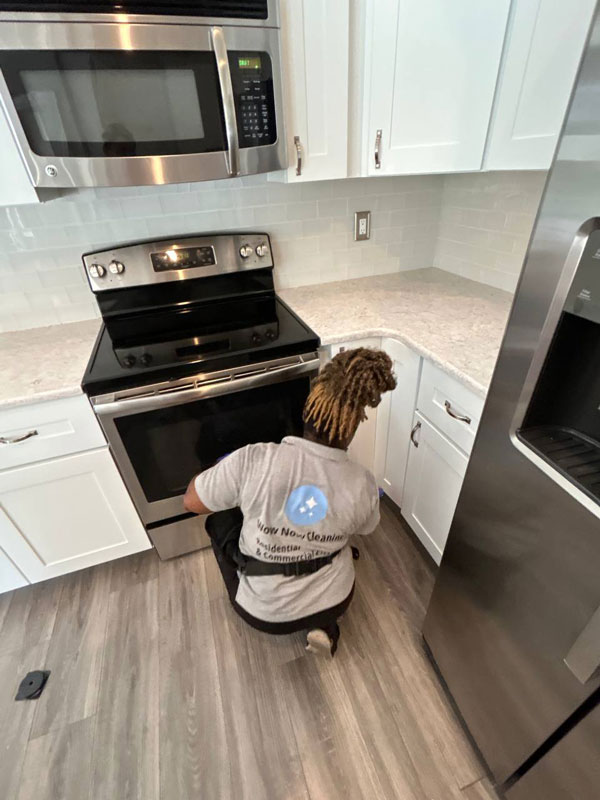
In this situation, professional oven cleaning services are what you need because they have the necessary cleaning techniques suitable for the type of appliance and its condition.
Request an Estimate Today
Make your home spotlessly clean with Wow Now Cleaning
Smoke or Unpleasant Smells During Cooking
If your oven emits a burnt smell every time it’s turned on, it may be that leftover food particles or grease are causing it to burn. Before assuming that there is a need for repair, you must first check if there is an obvious food buildup in the oven. If you see that there is excessive smoke, turn off the oven when it is safe to do so and let the machine cool down before you investigate. Even so, the burn could point to a mechanical or electrical issue of the appliance. If your oven continues to emit smoke even though you have cleaned it, stop using it altogether and call in an experienced appliance repair technician.
Greasy Oven Glass and Door Edges
The state of the oven door usually indicates the last time the appliance was cleaned. Grease marks, smudges, and baked-on droplets can create a film on the glass.
Residue usually collects on the corners of the oven door, which ordinary cleaning cloths cannot reach. A professional is able to clean all outer surfaces without harming the glass, openings, and protective coatings.
Some ovens have glass elements that require special methods for cleaning. These components must not be taken apart in the course of removing stains.
Preparing for Guests or Moving Into a New Home
A thorough clean of an oven comes in handy before a party, when you have just moved into a new place, and when you need to prepare a home for new tenants. Kitchen appliances add a lot to the impression from a house. Even with clean surfaces and floors, a dirty oven can spoil the perception of the entire kitchen.
If you are making a property ready for sale or rent, do not forget to include interior cleaning in your plan. Check in advance to which extent your service company covers your needs.
What a Professional Oven Cleaning Includes
The scope of a professional oven clean depends on the appliance, its condition, and the services included in your estimate. The goal is to remove accessible grease and food residue without damaging the oven’s surfaces or components.
Interior Walls, Bottom, and Ceiling
The inner surfaces of the oven are frequently subjected to heavy deposits. Grease may collect on the walls, while the bottom of the oven might become darkened and tough to clean.
First, the cleaning professional identifies the surface material and determines the appropriate cleaning method. This step is essential because not every oven has the same type of inner surface and some cleaning agents may harm particular surfaces.
The final step in the cleaning process is the removal of visible stains while maintaining the full functionality of the oven.
Oven Racks and Removable Accessories
The oven racks accumulate the grease that cannot be cleaned by normal washing techniques. As part of the service, removable racks and compatible items would be cleaned separately, allowing you to clean them efficiently. However, some of the parts may require the use of special cleaning techniques and therefore specific cleaning methods should be adopted according to the manufacturer’s instructions. Make sure you confirm with the service provider whether rack cleaning is covered by the payment you make or is charged additionally.
Oven Door, Glass, and Exterior
A thorough cleaning also includes cleaning the interior glass door, handle and outer surface. These parts collect grease and fingerprints while cooking. If grease is trapped between glass, more work may be required depending on how the appliance was designed and what services were agreed.
Another important thing to know about oven cleaning is what it does not include. Many machine repairs and installations may need a qualified technician instead of a cleaner to perform the task.
While professional cleaning may improve how an oven looks, this cannot undo discoloration or repair any broken parts.
Fridge Deep Cleaning: Shelves, Drawers, and Door Seals
The use of refrigerators is continuous during the day, exposing them to spills and residues of food. A container can be leaking, a bottle can leave a sticky mark, or a rotting vegetable can be forgotten in the drawer.
Such messes may develop over time without drawing attention.
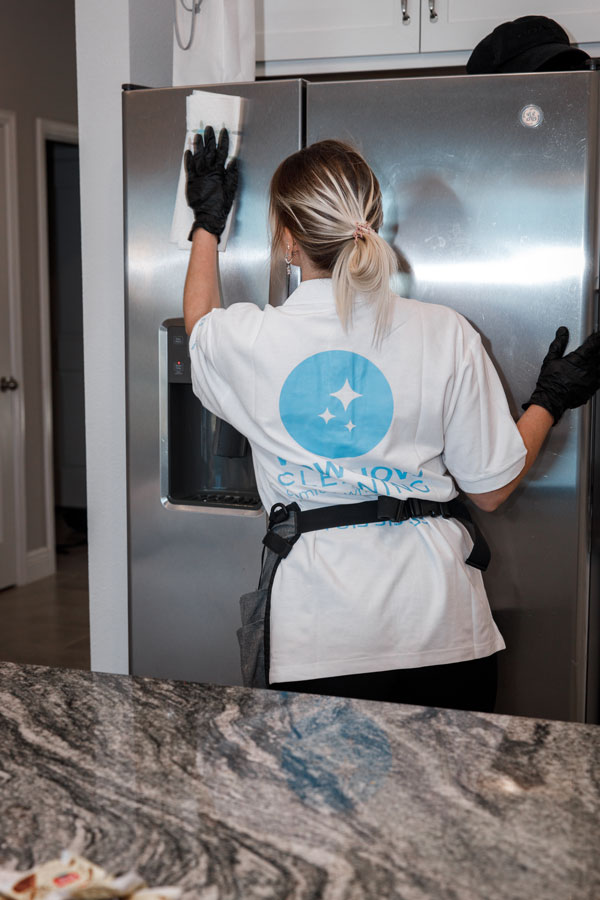
Cleaning the fridge thoroughly targets the spots missed by regular maintenance.
Cleaning Shelves and Interior Surfaces
Shelves in refrigerators can capture drips due to sauces, beverages, dairy products, or food packaging. A deeper clean means taking out any remaining materials from the shelves, walls, or compartments of the refrigerator, etc.
The removable shelves should be cleaned according to the instructions from the manufacturer. In general, it is best to avoid exposing cold glass to sudden temperature changes, as it can be cracked.
Before cleaning, remove food products out of the fridge and keep them, if necessary, in a cooler with ice packs. Do not leave temperature-sensitive products at room temperature for too long.
Drawers and Hard-to-Reach Corners
Food items, moisture, and other spills might be trapped beneath the crisper drawers. Although such areas are not visibly dirty while being used, it is important to tend them.
Taking out of the easy-to-access drawers lets the cleaning person reach hidden spots that which cannot be accessed otherwise.
This is also a great chance to throw out old food products and search for leaking containers. The reappearance of moisture or mildew suggests that further inspection of the refrigerator might be needed, apart from its regular cleaning routine.
Door Seals and Rubber Gaskets
People often forget to observe the rubber seals of refrigerator doors, which means they may accumulate crumbs, sticky substance, and moisture. By regularly cleaning the seals, one not only keeps the appliance clean but also makes their damages evident. However, it is often not enough to clean a worn or broken seal.
One needs to call an expert if they notice some problems with refrigerator door closures or if the seal seems damaged.
Removing Persistent Refrigerator Odors
Bad smells in the fridge are usually due to left overs or leaked packages, as well as dirty drawers.
The first step in dealing with bad smells is to find and get rid of the actual problem.
If the odor does not go away after cleaning, it might be worth checking the accessible areas following the manual instructions and contacting the expert.
The best way to prevent unpleasant smells in a fridge goes for those who cook regularly and keep a lot of fresh food.
Dishwasher and Microwave: What Most Cleaners Skip
The dishwasher and microwave are often neglected because people assume that regular use keeps them clean. In reality, both appliances collect residue that can affect cleanliness and contribute to unpleasant odors.
Dishwasher Filters, Seals, and Door Edges
Dishwashers do more than just clean plates: they trap food particles and oils within accessible filters and other spots.
To facilitate the cleaning process, it is a good idea to check the filter regularly and to clean it according to the manufacturer’s recommendations. It is also worth inspecting the edges of the door and the rubber seals where moisture and particles may accumulate because these areas are more prone to clogging up.
Professional cleaning normally includes wiping at the accessible surfaces and cleaning detachable parts when those cleaning operations are included in the contract.
If, however, you are experiencing ongoing drainage issues or leaks, or if your dishes are still dirty after washing, this may indicate a problem with some mechanism, rather than a cleaning issue.
Microwave Interior and Turntable
If food or drinks spill inside the microwave, the food will dry onto the surfaces of the microwave oven, making the cleaning job difficult.
When cleaning, pay attention to all inside parts, such as the walls and ceiling, the turntable, and the door edges.
Before cleaning, make sure that the oven is turned off and left to cool.
When cleaning microwave spills, better not use anything abrasive that can ruin the inside coating.
Besides, you should take care not to spill any liquids.
Range Hood and Grease Filters
Grease from cooking is trapped by the range hood. This residue can build up on the outside of the range hood over time and create an obvious film on reachable filters.
Certain filters may be removable and cleaned, while other filters have different maintenance requirements. Always check the manufacturer’s literature to see what service may be required for your filters.
If grease builds up in inaccessible ducts, home services may be required.
DIY Oven Cleaners vs. Professional Service
Cleaning appliances on your own can be enough in most cases. Ordinary mess, light grease, and some residue usually do not warrant hiring a professional cleaning team.
However, the situation becomes more complex when there is a lot of buildup or cleaning that requires much time and energy.
When DIY Cleaning Is Enough
The implementation of a number of simple practices can greatly help in maintaining a device in a very good state.
After cooking, you should remember to clean your stovetop while it is still cold, make sure to wipe the microwave oven spills as soon as they occur, and remove any spillage in the refrigeration compartment as soon as possible. It is also important to check the filters of the dishwasher at regular intervals and use the recommended products for different devices.
Always heed the manufacturer’s instructions and never mix different cleaning agents, as it may produce dangerous gases if bleach and ammonia come together.
When Professional Cleaning Makes More Sense
Removing heavy grease may take multiple attempts, and the incorrect product could damage the appliance’s coating.
Hiring professional services for oven cleaning can be beneficial if the interior has a lot of baked deposits, standard cleaning methods are no longer productive, or you haven’t enough time for that.
An expert will assess the appliance’s situation and apply correct methods when cleaning the available locations.
The service should also indicate its borders. Cleaning should not be regarded as work that compensates for the repair in case such devices as ovens have broken parts or refrigerators can no longer preserve safe temperature.
Comparing Convenience and Effort
Cleaning equipment on your own is often effective for small messes that you can take care of fairly easily. You have control over when you are ready to get things done and can also keep your equipment in good condition between professional cleanings.
Many times, it may make more sense to have a pro do the work, especially if you have a lot of cleaning to do or if you have to tackle particularly hard-to-clean messes. Depending on what you need to do, the amount of time you have, and how clean things need to be, you should make the right choice for your situation.
How Often to Clean Kitchen Appliances
Cleaning frequency depends on how often you cook, the number of people in your household, and the types of food you prepare.
Rather than following a rigid schedule, combine routine maintenance with deeper cleaning when needed.
Oven Cleaning Schedule
Regular deep cleaning of the oven every three to six months is acceptable for many households. Households that do a lot of baking, cooking with a lot of moisture), or tend to have frequent spills will require oven cleaning more often.
After the oven has cooled down, wipe fresh spills, and do not wait until the next scheduled cleaning if the oven shows heavy grease or burnt smell.
Always make sure to follow the manufacturer’s instructions when you have a self-clean cycle available on your oven.
Refrigerator Cleaning Schedule
Make it a point to check the contents of the fridge, weekly and remove any spoiled food from it. Whenever possible, spills should be cleaned up right before they can spread beneath the drawers or containers. Some families will find that a more thorough cleaning every three months may be a good starting point. Families with children, as well as those that cook frequently and use the refrigerator a lot, will want to consider doing it a bit more often.
Dishwasher and Microwave Maintenance
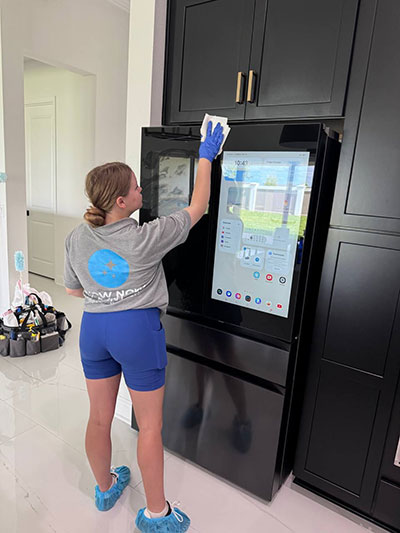
Always wipe the microwave after a spill has occurred and clean the filter in the dishwasher as recommended by the manufacturer.
These can help avoid difficult cleaning caused by residue. All other cleaning can be done when buildup, odor, or condition shows cleaning is required.
Creating a Routine That Works
The best cleaning routine is the one that adapts to your lifestyle and doesn’t overburden you with additional chores.
By checking your appliances on a weekly basis, any messy messes in a refrigerator and microwave will not get away unnoticed. Monthly checks could alert you to the need of cleaning a dishwasher filter or certain surface of other kitchen utensils. Every other couple of months the state of cleanliness of an oven and refrigerator must be analyzed.
Adding Appliance Cleaning to Your Regular Clean
Regular house cleaning plays an important role in preserving the surfaces of kitchen countertops, flooring, and sinks as well as cleaning the outer surfaces of appliances used in your daily household tasks. Nonetheless, the inside of an oven or refrigerator may take more time and will not be automatically included in any standard cleaning packages.
This understanding will help you make the right selection.
Standard Cleaning vs. Deep Cleaning
For example, cleaning the outside of an oven is different from cleaning the grease accumulation inside. Same with a refrigerator; while one cleans the exterior, it is not the case that the shelves and drawers get cleaned unless specified in interior cleaning.
Therefore, when going over the options of deep cleaning, inquire about the specifics of appliance cleaning coverage and any extra charges.
When exploring our deep cleaning options, consider which appliances need additional attention to choose the service that best suits your household.
Why Combining Services Can Be Convenient
You may choose to combine appliance cleaning service with a deeper clean if your kitchen requires attention in many areas as this is more convenient than scheduling independent visits. This applies to the oven, refrigerator, microwave, etc. Be sure to describe the condition of every appliance before making an appointment, so that the cleaning team can calculate the amount of work more effectively.
Choosing a Professional House Cleaning Company in Tampa
While comparing cleaning services, you must take into account more than just the starting price. Inquire about the cleaning methods and the range of services provided, in addition to any restrictions that may be placed on your appliances.
The professional house cleaning company Tampa selected by residents must be in a position to explain the estimate and make recommendations for qualified technicians when a problem exceeds the scope of cleaning.
Wow Now Cleaning provides both regular and deep cleaning to the residents of Tampa and certain interior appliance facilities if such requests are submitted. Make sure you clarify all your requirements at the time of requesting your estimate in order to get a service corresponding to your needs.
What to Confirm Before Booking
Getting to know what kitchen appliances you want serviced may be necessary before scheduling an appointment for cleaning service. Make sure you mention any heavy grease, bad odors, or stubborn residue and ask if particular parts like oven racks, shelves of refrigerator, filters of dishwashers and any other detachable parts are included. It also helps to find out if any additional charges apply or more time is needed for cleaning of the appliance interior.
Final Thoughts: When Is Professional Appliance Cleaning Worth It?
It’s possible to keep kitchen appliances functioning well through regular maintenance, but tough grease, hidden food debris or neglected inner surfaces can occasionally require a thorough cleaning solution. When serious buildup occurs, relying on oven cleaning services can be beneficial, while fridge deep cleaning will usually deal with spills, compartments, shelf spaces and sticky door seals. It’s easier to deal with small accidents straight away, carry out a regular inspection of kitchen appliances and hire professionals at the moment when cleaning starts getting harder than managing appliances oneself.
FAQ
OTHER ARTICLES

Hey everyone, I’m Khrystyna! I’ve got experience in all sorts of cleaning, which I gained at Wow Now Cleaning. Now I’m sharing it with you all! I’d appreciate any comments or feedback on my tips, so feel free to write!