


Managing a commercial property in Tampa means dealing with changing weather conditions, heavy foot traffic, high humidity, and outdoor debris throughout the year. Each season brings different cleaning challenges, making a year-round maintenance plan essential for keeping business facilities clean, safe, and presentable. Professional cleaning services Tampa can help businesses maintain their premises, address seasonal cleaning needs, and prepare for changing weather conditions before minor issues become bigger problems.
Seasonal cleaning services do not only make the office look good but also enable companies to clean dirt before it becomes a problem, see problems with maintenance in advance, and prepare their premises for forthcoming conditions. A well-kept office, shop, medical institution, or any other kind of commercial property can leave a good impression on clients and make it easier for employees to work there.
Planning for the seasons in Tampa necessitates a bit of a different method than in places with cold winters, as seen in the case of seasonal cleaning in Tampa. Long humid summers, along with rainfall, pollen, fallen leaves, and cool weather create conditions that influence the maintenance of commercial properties. Having knowledge of the changes in seasons makes property managers aware of which cleaning procedures should be carried out when.
To get maximum results, one needs to combine regular janitorial services and seasonal cleaning services. Daily or weekly cleaning takes care of everyday cleaning needs, and seasonal cleaning deals with neglected areas and surfaces affected by weather or bad weather.
Spring Cleaning: Opening Season Refresh
The time of spring is perfect to check the state of commercial property and take care of some problems that were missed in normal cleaning process. Even in Florida, which has mild winter, buildings collect dust, fingerprints, collected dirt and dirt from routine operations. Spring cleaning is a good occasion to make the building fresh before the upcoming warm months with more humidity and outdoor activities as well as increased usage of entrances and common areas. For working places, stores and other commercial buildings the aim of spring cleaning is to make not only cleaning of dirty surfaces but also cleaning of unnoticed places.
Deep Cleaning Beyond the Daily Routine
Routine cleaning may not always guarantee sufficient time for all activities that should be performed in a building. Spring allows time to concentrate on the tasks that tend to be ignored otherwise.
Here are some chores included in a spring cleaning plan:
- Clean dust from baseboards, door frames, window sills, and other surfaces where dust gathers.
- Dust reachable vents, ceiling fans, lighting fixtures, and other items that are usually neglected.
- Thoroughly clean carpets and fabrics as the manufacturer recommends.
- Scrub floors and implement adequate maintenance whenever the type of flooring allows.
- Wash windows and glass partitions to remove stains and marks.
- Disinfect those surfaces that are usually touched, such as door handles, buttons, machines, and counters.
- Clean behind movable furniture and equipment where dirt accumulates.
- Detail facilities like kitchen, restroom, etc.
Not every type of building should require all the activities stated. A little office may only need cleaning of carpeting, dusting, and cleaning of a restroom. But a busy store may pay attention to the entrance, showcase area, and floors, as they need more cleaning operations than some offices.
Windows, Floors, and Interior Surfaces
Although natural light can put a commercial property in good light, dirty glass and dusty window frames can give it a neglected impression instead of clean and well-maintained. Spring is a great time to plan for cleaning windows inside your business and evaluating whether you need to clean the glass outside.
Another thing that requires attention is the flooring. Even though your business floor has somehow become dirty over time, it shows evident signs of wear and damage, especially in areas like entrances and corridors. Thus, cleaning dirt and upkeeping the floor in accordance with specifications can help maintain its state overall.
Different surfaces need different cleaning products and techniques for cleaning them. Natural stone, luxury vinyl flooring, vinyl tile, hardwood, sealed concrete, etc need to be treated differently. Applying improper cleaning agent can damage a surface instead of improving it.
Cleaning specialists have knowledge of surfaces and know how to clean them. This is especially important if a business has many floors made of different material and frequently used.
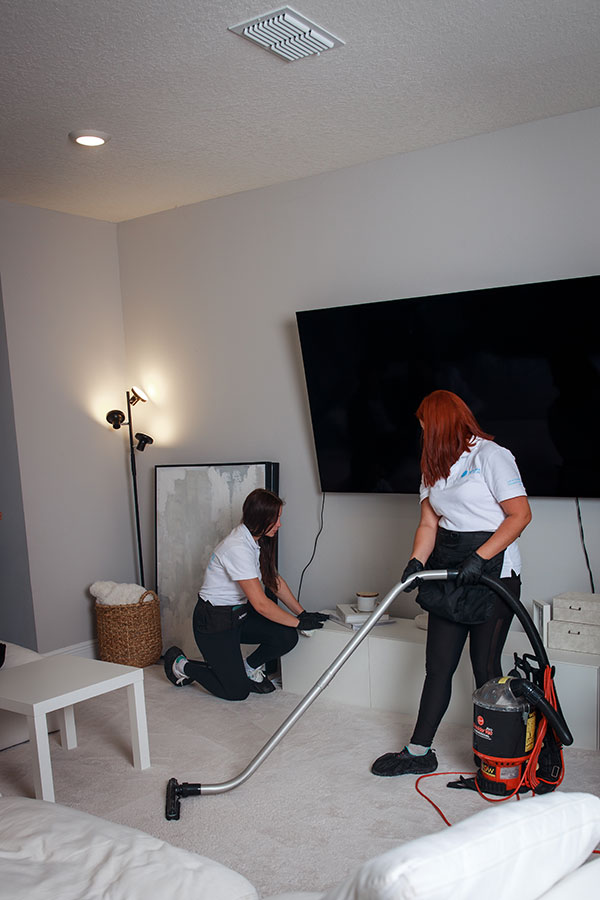
Request an Estimate Today
Make your home spotlessly clean with Wow Now Cleaning
Improving Indoor Air Quality
Dust doesn’t only settle on desktops and shelves; it could settle on sofas, carpets, ornamented surfaces, etc., in every corner of your premises. Spring-cleaning can reduce dust, but it should be paired with proper ventilation and HVAC servicing for a complete indoor air quality approach. A particular focus should be placed on reception areas, conference halls, waiting rooms, and shared working spaces. These are the places that typically have upholstered seats, textile partitions, and suchlike items that collect dust.
Cleaning crews should come up with adequate means of cleaning and avoid shifting dust from one place to another.
Preparing for Tampa’s Humid Season
Spring is an excellent opportunity to check for signs of moisture issues that may occur in summer. Look for any persistent dampness in the entryways, sinks, windowsills, and areas with minimum ventilation.
While cleaning teams can report visible spots of water, strange odor, or recurring damp section, it is unfair to expect them to find building issues to diagnose them. Issues like leaks, defective seals, constant moisture, and mold-related problems may require the assistance of a skilled repairman.
Tackling the mentioned issues at the right time allows a company to avoid the minor maintenance task turning into a big operational concern.
Summer Maintenance: High-Traffic Preparation
In Tampa, summer poses significant challenges for cleaning commercial properties. With high temperatures, humidity, rainstorms, and high indoor activity, cleaning tasks can become overwhelming. Visitors track dirt through the entrances, glass needs constantly to be cleaned, and shared facilities call for even more cleaning attention than usual.
A good summer maintenance plan should work on making busy places clean, controlling humidity, and creating pleasant conditions for everybody using the property.
Managing High-Traffic Entrances
The entrance is often the first part of a business that visitors notice. During rainy weather, shoes can carry water, sand, soil, and other debris inside. Without consistent attention, these materials spread into reception areas, hallways, elevators, and offices.
Commercial entryways benefit from a combination of preventive measures and regular cleaning.
Start with appropriately sized entrance mats that capture dirt and absorb moisture. Mats should be inspected, vacuumed, and cleaned as needed rather than left in place until they become saturated. Wet mats can become a source of odors and may create slip hazards.
Floors near entrances should be checked more frequently during rainy periods. Cleaning schedules may need temporary adjustments when storms are forecast or when a property experiences an unusually busy day.
A useful summer routine includes:
- Inspecting entrances for standing water and tracked-in debris.
- Vacuuming entrance mats and removing loose soil.
- Cleaning glass doors and handles to remove fingerprints and residue.
- Spot-cleaning floors before dirt spreads throughout the building.
- Checking restrooms and shared spaces more frequently during busy periods.
- Replenishing restroom supplies and cleaning visible spills promptly.
These adjustments do not necessarily require a complete change in the cleaning contract. In many cases, targeted attention to a few problem areas can improve the overall condition of a property.
Humidity, Odors, and Moisture Control
The humidity levels in Tampa make the management of moisture particularly important during the summer season. Dirty floors, soggy cleansing cloths, wet carpets, and poorly ventilated storage facilities are only some of the causes of unpleasant smells.
Cleaning teams are obliged to follow correct protocols in dealing with the cleaning equipment. Applicable mop heads and cloths must also be cleaned and dried after every use.
Wet and damp areas such as floors of bathrooms should be allowed to dry properly.
Instead of covering up the smell with air fresheners, it is imperative to find out the real cause of the unpleasant smell. The reason could be a floor drain, plumbing, or even wet carpet.
When dealing with spills or after professional cleaning, its impact on the carpet or upholstery cannot be forgotten. Correct way of extracting water and following indications of the manufacturer can help to minimize the risks of wet carpets.
Cleaning alone cannot be a cure for poor ventilation of the building. If after the cleaning procedures the dampness is still present, it might be reasonable to perform inspection of the HVAC system.
Maintaining Restrooms and Break Rooms
With warm weather in place, maintaining restrooms or employee kitchens will become more complicated, especially in structures faced with a lot of visitors or shared offices. This area is characterized by moisture, food particles, trash, and repeated touch of various surfaces.
Restroom areas need consistent attention given to toilet bowls, sinks, taps, mirrors, dispensers, floors, and frequently-touched surfaces.
Cleaning agents must be followed as per their instruction including all necessary contact time for disinfection. For instance, if a surface was sprayed and wiped immediately, it will not get the effects of the disinfectant used.
Break rooms need a similar level of care. There has to be proper cleaning done according to the facilities cleaning requirements for countertops, tables, outside surfaces of appliances, sinks, and rubbish bins.
When there are bigger teams working, there may be several inspections made between cleanings scheduled.
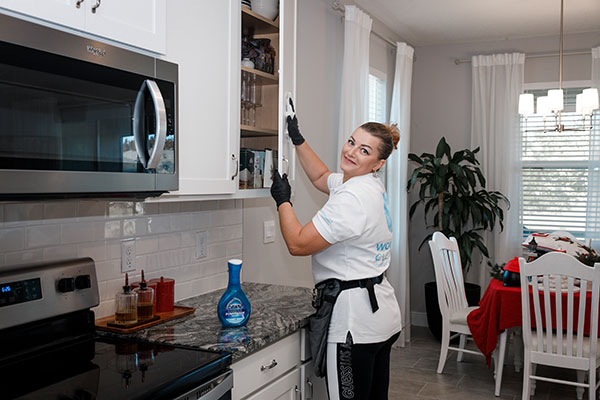
Protecting Floors During Rainy Weather
The repeated movement of water and abrasive particles across floors can contribute to the degradation of any flooring coating. A good summer program prescribes a combination of entrance upkeep, timely inspections, rapid response to spills, and a clear floor maintenance plan.
Hard floors should be maintained with the correct product for the type of floor. It is crucial to keep wet-floor signage present until a surface dries out. One way to avoid applying too much water to a floor is to use the right type of product for the type of floor.
Regular vacuuming helps to prevent dry dirt from becoming embedded in carpets. Also, spot treatment reduces chances of new spills become permanent stains.
Fall Cleaning: Weatherproofing and Leaf Management
The fall season in Tampa does not usually bring the perennial freezing weather that is present in states in the north but it is still significant time in the field of commercial property maintenance. With rainfalls coming, temperatures dropping, leaves falling and different debris accumulating around the entrances there is a lot of impact exerted on the entrance of good/decoration of the place.
Moreover, the season of autumn cleaning includes various activities related to the evaluation of the different access points and getting rid of the garbage that has been collected there as well as preparing the floors for the changing conditions.
Keeping Entrances and Walkways Clear
The accumulation of leaves, branches, soil, and other outdoor rubbish happens around sidewalks, entrances, parking spaces, and landscaped areas of commercial properties. Wet leaves can slip and be brought into the facility.
Businesses that serve clients are in great need of regular inspections. Retailers, offices, restaurants, and medical institutions benefit from clean and safe entrances.
The autumn maintenance program may involve the following:
- Removing residual leaves and rubbish from the entrances and approaches.
- Maintaining the entrance mats and replacing unusable ones.
- Sweeping and organizing the proper cleaning of the paving areas.
- Looking for visible drainage problems and reporting standing water.
- Wiping the glass doors, frames, and surfaces of the entrance.
- Checking the flooring inside for signs of dirt near the entrances.
- Reporting damaged floors, uneven mats, and other dangers of slipping.
The exterior maintenance may need special equipment or separate contractors. Property management must delegate clear tasks to ensure that the jobs of landscaping, cleaning of the drainage systems and interior cleaning are done together and do not create gaps.
Preparing for Increased Rainfall and Storms
Florida’s weather is unpredictable and fall could feature heavy rainfall and tropical weather events. Commercial spaces need to be equipped with a response plan and prepared for water that gets inside and post-storm activities to protect the areas of high traffic.
To prepare for such eventualities, one should start checking the condition of entrance mats, signs for wet floors, cleaning equipment and spill response supplies. It is vital to ensure that employees know how to isolate areas in water, notify the respective person, and perform cleaning without causing more risk.
Apart from that, checking accessible window sills, thresholds, and other places that experienced water intrusion will also be helpful. If visible water intrusion occurs, it is necessary to report it without delay as cleaning will not help if the problem is because of a broken seal, leaking roof, or drainage issue.
The priorities for cleaning will change after a storm. The cleaning steps might include debris removal, cleaning the places that experienced water ingress, as well as checking toilets and visible moisture.
Floor Care Before Winter
The fall season is a good period for evaluating your flooring before the winter season changes the way you use your building’s interior. Although Tampa does not face severe road salt issues like northern states, it is still affected by various forms of dirt and moisture tracked in from the outdoors.
Look for the more heavily used areas of your flooring. Check for scratched or smudged surfaces in those areas. Depending on the type of flooring, you may want to schedule either a routine deep cleaning or the installation of new floors.
In addition to the foot traffic in your working spaces, entry mats also deserve your attention. Mats that are not large enough, have been damaged, or are hard to clean will only allow dirt to come into your building more easily.
You should also check the state of transition areas, corners, and the spots around your furniture in your working space. These areas will often reveal wear and dirt that otherwise goes unnoticed during an impromptu inspection and up close inspection of your floors.
Coordinating Cleaning With Building Maintenance
The teams of cleaners can identify visible concerns, but it is important that the cleaning staff and the managing staff communicate frequently during seasonal maintenance. For example, a cleaner can observe the same puddle recurring near the entrance door, the change in color of the wall beneath a window, or a stubborn smell in a store room. Recording and reporting these observations gives the management the chance to discover the root cause of these issues. This is especially useful in buildings with many tenants, offices, and commercial buildings where different teams are responsible for different parts of the building. The proper reporting procedures help to avoid missing concerns in between scheduled inspections.
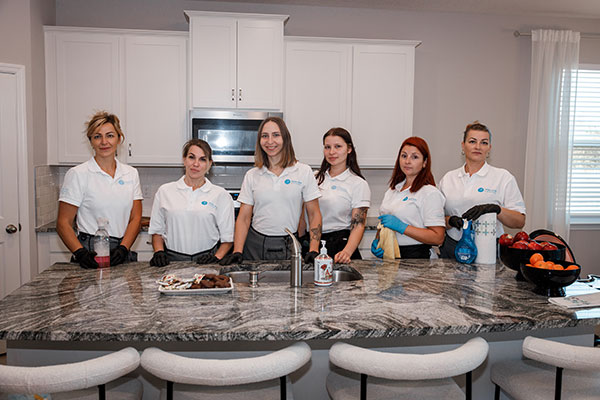
Winter Preparation: Moisture and Salt Control
Winter cleaning in Tampa primarily deals with rainwater, soil tracked inside, debris from the cooler season, and keeping indoor temperatures at acceptable levels, not with long snow and ice management. Some days may bring cooler mornings and even a freeze, but in practice businesses can carry out their operations in mostly warm conditions.
So, a correct winter cleaning strategy is determined by the local climate. To serve their business needs, Tampa companies ought to avoid implementing the snow-removal method and use road salt as it is done in the northern states and focus on entrance protection, floor safety, moisture control, and regular cleaning.
Managing Water at Entrances
Water coming into a business can create dangers for people slipping over and substantiate unsightly traces on some floor types. Even a small quantity of water can create problems when the same entrance is used several times by customers.
To avoid accidents, proper winter cleaning must include regular inspections of mats, thresholds, and high-usage floors. Mats have to be secured and dry mats have to be changed or cleaned depending on the situation.
Cleaning personnel need to react to the visible presence of water and to display appropriate warning signs when there is water on the floor. No area should be declared free of a danger until the water is cleaned away.
In case of several entrance points there has to be some sort of allowance system for inspections according to the statistics. Popular entrance points are likely to be inspected more often than back doors.
Understanding Salt and Mineral Residue
In spite of the fact that road salt is not a major concern during winter in Tampa as it is in colder areas, there are still some chances to bring it from outside through delivery, visitors, or vehicles. It is possible that mineral residue is formed when water evaporates from glass or solid surfaces as well.
However, the most important thing is to find out where the residue comes from instead of thinking that all the marks are road salt. The cleaning way also needs to depend on material used for surface and composition of deposit.
For instance, glass needs to be cleaned with a glass cleaner, while a floor residue should be washed using a formula approved for it. Acid type material should be used with preciseness as it can harm natural stones, metal finishes, or sensitive places.
If you are not sure whether there is road salt deposit or not, trying cleaning method on small, less conspicuous parts shall help avoid damage.
Preventing Dampness and Musty Odors
The cooler weather may not bring an end to the moisture issues present in Florida. Natural water, water leaks, wet mats, and places with limited ventilation may cause a number of unwanted odors. Winter is the perfect time for checking storage facilities, supply closets, break rooms, and other rooms which may hold wet cleaning materials along with waste materials.
A useful practicing routine consists of regular emptying of waste bins, immediate cleaning of spills, drying cleaning equipment, and reporting cases of moisture. If carpets and soft furniture tend to get dirty, they need to be treated if soiled.
Companies also need to pay attention to the newly appearing odors. An unpleasant smell may show the presence of moisture in some material or an issue with the building.
Keeping Shared Spaces Comfortable
Many organizations hold winter parties, customer events, training sessions, end-of-the-year meetings, and other occasions to meet with employees and customers during the winter season. These winter occasions create more work for cleaning services for many different spaces such as conference rooms, reception areas, lavatories, and break rooms.
Cleanings that take place before the scheduled event will help ensure that everything is taken care of ahead of time and that services will include special cleaning for floors, glass, tables, seating, and waste disposal.
Moreover, a good cleaning is essential after events. Without a cleaning, it will be impossible to clear the mess in time and make preparations for the next day of work. It is appropriate to use a flexible cleaning service arrangement ensuring increased work when needed and no excessive cleaning for the spaces which were not in use during the event.
Seasonal Deep Cleaning Checklists
The purpose of a seasonal cleaning checklist is to enable business owners to convert their general maintenance objectives into definite and achievable actions. At the same time, it acts as a common resource for property managers, cleaners, and other personnel engaged in keeping the property in good condition.
Building conditions may differ in terms of their size, type of operations, working hours, types of floor finishing materials, etc. Thus, requirements for different types of buildings like clinics, construction sites, and commercial offices in Tampa will vary.
Spring Deep Cleaning Checklist
Spring is the Ideal time for thoroughly assessing those indoor places that may have been neglected in the regular cleaning.
- Dust the vents, fixtures, baseboards, and other places normally skipped.
- Cleaning the interior of windows, window frames, doors, and partitions should be carried out.
- Do a thorough cleaning of carpets and upholstery.
- Check hard floors for dirt accumulation, scratches, and wear and tear.
- Clean behind all available furniture and equipment.
- Pay attention to bathrooms, kitchens, and common areas of the employees.
- Remove dust from all available cabinets.
- Look at entrance mats and replace them if damaged.
- Report any leaks, dampness, and any cleaning difficulties.
- Check the cleaning schedule before the hot summer period.
Summer Deep Cleaning Checklist
In the summer months, important matters include heavy usage, dampness and extra impact of hot temperature conditions.
- During wet weather the inspection frequency of entrances.
- Keep entrance mats clean.
- Clean floors and spill as they appear.
- Check toilets and break rooms based on usage.
- Disinfect necessary frequently touched surfaces according to directions.
- Keep surfaces of shared tables, work surfaces and equipment in clean condition.
- Make sure that cleaning supply materials are clean and dry because of their reusability.
- Respond to carpet spills with the help of proper materials and methods.
- Check and report constantly occurring stinks and wet places of effect.
Fall Deep Cleaning Checklist
The preparations for fall should pay attention to outdoor waste, entrances, and cooler weather.
- Take away leaves and waste from entryways.
- Check the entry mats for problems and efficiency.
- Wipe the glass doors, frames, and other surfaces.
- Check the highly-used areas to see if they have been damaged because of water.
- Report the issue of standing water in cases it continues to appear.
- Evaluate the visible moisture around the windows and outside the doors.
- Clean and arrange the area with supplies.
- Go over the system for heavy rainfall and severe storms.
- Be sure that everyone knows their task regarding cleaning of the territory and landscape.
- Make sure to find the necessary floor care service
Winter Deep Cleaning Checklist
Winter maintenance needs to give priority to safe access points, moisture management, and proper upkeep of common areas.
- Always check entrance mats and thresholds for water.
- Eliminate any excess water or dirt on heavily trafficked flooring.
- Inspect all glass and hard surfaces for mineral or other deposits of any kind.
- Dry any cleaning equipment which can be reused after a job.
- Clean out trash bins and remove any smells that linger.
- Check on places that are accessible for any signs of dampness.
- Address any spills and stains on carpeting.
- Get conference rooms and common areas ready for events.
- Report any odors and signs of water.
- Examine your plan and determine the leading priorities for spring.
How Often Should These Tasks Be Completed?
Not all work has to be done once a season and left unattended afterwards. Some tasks, like entrance inspections and restroom cleaning, need to be done daily or several times a week. On the contrary, other tasks that require less frequent execution include deep upholstery cleaning or restoring floors.
What type of task needs to be done depends on how often it is being used and the condition of the area. For example, a store with heavy traffic may require more frequent floor cleaning compared to a small office with few employees. Another important consideration is the presence of guests at the location, as reception and restrooms will have to be serviced more frequently in this case.
The checklist works well when it contains the frequency and completion status of a certain task, which makes it easier for property managers to find distinguishing features between routine and special tasks.
Weather Impact on Commercial Facilities
The influence of weather on commercial cleaning can be significant but is sometimes not evident. Weather conditions outside influence the level of soil entering the building, how fast floors get dirty, and how much attention entrances and common areas require.
In Tampa, humidity and rainfall should be specifically taken into account. At the same time, the most efficient approach recognizes the importance of the architecture of the building, landscaping, people inside the building, ventilation system, and materials that are used in the entire property, as well.
Humidity and Indoor Surfaces
High levels of humidity can impede drying and worsen moisture problems. Wet carpets, damp mats, and insufficiently dry tools can attract unpleasant odors when air circulation is restricted.
Cleaning teams must use the correct amount of cleaning solution, follow equipment instructions, and allow surfaces to dry properly. High amounts of water applied to carpets and moisture-sensitive floor surfaces can lead to more issues.
Property managers also need to be aware of moisture issues near outside doors, windows, plumbing fixtures, and areas with poor airflow. If moisture persists, cleaning must be coordinated with the appropriate maintenance individual.
Rainfall and Exterior Debris
Rainwater can carry dirt, sand, foliage, and other litter into commercial entrances. It might also expose drainage issues that are indiscernibly during dry spells.
Buildings with expansive parking areas or gardens may require a different cleaning regimen than those of compact offices. Analyzing how dirt gets into the property is the easiest way of identifying the best location for the placement of entrance mats and the areas where inspections would be most helpful.
For instance, if most dirt is spotted next to a particular side of the reception area, management could assess whether that entrance requires a bigger mat or more frequent cleaning, or a different system for dealing with traffic.
This approach is more effective than just cleaning the building more frequently without pinpointing the source of the problem.
Temperature Changes and Surface Care
Changes in temperature can have an effect on condensation, drying times, and how certain building materials act. The types of tenants in commercial properties may also change according to the times of the year.
Cleaning products and the equipment used should always be applied according to the instructions given and to the requirements of the surface. Products meant for one type of material should not automatically be used on another.
For bigger installations periodic inspection of floors, lobby areas, and common places will help determine if any changes took place in the condition of these areas.
Cleaning Is Not a Substitute for Building Repairs
Cleaning and maintenance are some of the significant concepts of commercial property management.
Cleaning implies getting rid of dirt, grime, and other unnecessary materials. On the other hand, maintenance means checking if there’s anything wrong with roofs, piping, ventilation, drainage, caulking, etc.
A professional cleaning service may spot the same wet spot, damaged mat, stained ceiling tile, or unusual smell. These observations might be useful but will never replace an inspection of a qualified expert.
The most efficient seasonal maintenance approaches create a clear process for reporting the problems, assigning responsibility for them, and following up on any unresolved issues.
Year-Round Maintenance Programs
Cleaning is most effective when it is part of an ongoing plan. Instead of scheduling four separate seasonal jobs, businesses can combine routine cleaning with planned deep-cleaning services that address changing weather conditions and specific maintenance needs throughout the year.
A year-round maintenance program helps businesses maintain a clean, safe, and professional environment in every season. A consistent schedule allows you to plan your seasonal cleaning around your business needs, prevent dirt and debris buildup, and keep your facility clean and welcoming for employees and customers.
Working with a professional cleaning company makes it easier to create a customized maintenance schedule based on your facility type, foot traffic, weather conditions, and seasonal needs. For many businesses, the best approach is to establish a regular cleaning routine and adjust it as occupancy levels, weather, and building conditions change.
Building a Schedule Around Your Business
A professional office, a retail store, and a multi-tenant commercial property have different operational needs. Their cleaning schedules should reflect those differences.
Before creating a program, consider the following factors:
- Facility type: Offices, retail spaces, medical facilities, and industrial properties may have different sanitation, access, and maintenance requirements.
- Daily occupancy: The number of employees, customers, and visitors affects how quickly surfaces and floors become dirty.
- Operating hours: Cleaning may need to take place before opening, after closing, or during approved service windows.
- Flooring and furnishings: Different materials require specific cleaning methods and maintenance frequencies.
- Weather exposure: Entrances, loading areas, and spaces near exterior doors may require additional attention during rainy periods.
- Special events: Meetings, seasonal promotions, and customer gatherings can create temporary increases in cleaning demand.
- Budget priorities: Scheduling recurring work and planned deep cleaning can help businesses allocate resources more effectively.
Once these factors have been reviewed, a cleaning company can recommend a schedule that matches the facility’s actual needs instead of relying on a one-size-fits-all package.
Combining Routine Cleaning With Seasonal Projects
Normal janitorial service is the core for any workplace to be clean. The janitorial duties include floor care, toilet cleaning, trash collection, dusting, and cleaning of common areas depending on the specific contract.
Seasonal cleaning addresses jobs not required during each visit. It can include cleaning baseboards, interior glass, carpet and upholstery cleaning, and many others.
Keeping the service types apart ensures better planning because businesses know exactly what jobs are included in their agreement and what needs further planning or a separate quotation.
It also allows the parties to avoid misunderstandings: seasonal cleaning does not automatically become part of a standard janitorial agreement. The scope, time frames, and pricing should be agreed upon before the start of the work.
Choosing a Seasonal Maintenance Company in Tampa
When choosing a seasonal maintenance company Tampa business owners must find a company that has knowledge of the local climate and will adapt its services for each property instead of just offering a standard list of services.
Commercial experience is of paramount importance, as cleaning a commercial building requires a different approach than cleaning a domestic home. Any commercial maintenance company should also be able to devise a plan for entry arrangements, business hours, types of cleaning methods, and dealing with sensitive areas.
It is also worth checking how the maintenance company communicates with property managers. A transparent reporting system that will allow documenting the maintenance problems and completed orders, such as any service adjustments that would be required on future visits is crucial for ensuring the quality of the service.
Before selecting a provider, consider asking:
- What services are included in the recurring cleaning agreement?
- Which seasonal tasks require a separate estimate?
- Can the schedule be adjusted during busy periods or after severe weather?
- How are special requests and maintenance observations communicated?
- What procedures are followed for cleaning products, equipment, and surface compatibility?
- Can the company accommodate the property’s access and operating requirements?
- How are service concerns reviewed and resolved?
The answers should provide a clear picture of how the provider will support the facility throughout the year. Reliable communication and a well-defined scope of work are just as important as the cleaning tasks themselves.
Measuring the Results of Seasonal Maintenance
It is imperative to frequently assess a seasonal program to determine if it meets the requirements of the property. The goal is not just to determine how many times cleaning occurred but rather to see if the plan is ensuring smooth operations within the property.
The management can analyze a few practical indicators:
Condition of busy areas. Inspect entrances, corridors, reception areas, restrooms, etc. to see if cleaning occurs frequently enough.
Recurring issues. Monitor if the same problems about odors, floor residues, dust, etc. keep coming again. Regular complaints may signal that something needs to be improved in the plan, used methods, or property itself.
Completion of tasks. Check if the work planned for the season is done on time or there are still some jobs pending.
Response to changes. Analyze if the cleaning plan has enough versatility to react to heavy rain, higher number of guests, holidays, etc.
Communication and follow-up. Check if initiated questions were answered properly and if reported problems reached the person in charge.
All the mentioned factors help companies make the right modifications instead of unnecessarily increasing the frequency of service provided without understanding what’s wrong.
Flexible Cleaning for Different Commercial Properties
An office that is small likely requires janitorial services on a regular basis and a few deep cleaning projects during the year. Busy retail areas may call for more frequent cleaning of entrances, glass, floors, and restrooms. Large commercial buildings can advantage from planned janitorial activities up to several floors, shared facilities, and different hours of operation.
There is no universal maintenance plan that works equally well for all properties. The effective plan considers the specific operations of the facility.
The company should also make sure they reassess their maintenance plans each time they are renovating their premises, expanding their company, changing hours of operation, or expecting more visitors than usual for some time.
Professional cleaning companies can help analyze the changes in the company’s operation and advise what needs to be done regarding the cleaning schedule.
Conclusion
To maintain cleanliness of any commercial property, the process should be more than just cleaning periodically. Tampa businesses experience different weather patterns all through the year such as high humidity during summers and heavy rain in addition to piles of dirt and moisture that get into their premises during winter months. Therefore, planning is important as property managers have to deal with the challenges and ensure that the property is always kept in a business-like manner.
The best way to achieve that is to combine regular cleaning, seasonal cleaning and proper communication about maintenance problems. For example, spring is great for cleaning the interior, summer requires special attention throughout the busy periods, autumn is good for preparing entry doors and dealing with dirt, while the winter is about having safe floors and doing regular maintenance.
Once a proper plan is made and a cleaning company is chosen, every business will greatly benefit from timely response to sudden changes in weather conditions.
If your business has a problem with seasonal cleaning services Tampa, you can always consider changing your current cleaning schedule in order to prioritize the most important tasks.
FAQ
OTHER ARTICLES

Hey everyone, I’m Khrystyna! I’ve got experience in all sorts of cleaning, which I gained at Wow Now Cleaning. Now I’m sharing it with you all! I’d appreciate any comments or feedback on my tips, so feel free to write!