


As a homeowner, I’m sure you’ve heard of maid services Tampa. Many homeowners will turn to these types of services when life becomes too hectic, they don’t have enough free time or they feel that the cleaning never seems to end. In my many years of working directly with real homes throughout Florida, I have noticed one important thing: there is a major misconception about cleaning, and that misconception is not the way to clean, but instead, it is why we clean.
Cleaning is not only about keeping your home looking its best; it is also part of home maintenance. In some situations, doing your own cleaning may be the right choice and will produce the desired results. In other situations, doing your own cleaning may yield sub-par results that you don’t notice until you have noticeable damage, an odor that won’t go away, or you have to spend a large amount of money to fix something.
This article is not intended to instill fear or to sell you services but rather it is an honest discussion of when doing your own cleaning really works; when it doesn’t; and how to make smarter long term cleaning decisions for your home.
What DIY Cleaning Does Well
Ongoing Supervision Instead of Strong Defense
Ongoing Supervision Instead of Strong Defense
DIY cleaning is acceptable until many and most or twice a month perform seasonal to monthly outlined methods. If you routinely wipe counters, vacuum up visible dirt and change out your kitchen and dish washer regularly, conduct regular bathroom cleaning, it will prevent the home from getting so dirty that it is annoying or inconvenient to live in. Additionally, continued use of this cleaning method allows for daily mantenan…..it will keep the clutter and dirt from building up so quickly.
In most cases, the use of DIY cleaning products by a majority of households consists of:
- Daily cleanup of a mess from the kitchen
- Regular routine cleaning for the bathrooms
- Regularly dusting for dust
- Spot cleaning/whitespotting spills as they occur
A home that maintains this level of cleanliness can absolutely be a functional and comfortable home.
Familiarity With Your Own Space
Home owners learn much about their home over time. They learn all the little things. They see when a mark appears, they recognize new smells, they notice small leaks. Being able to clean up an area of your home allows a personal connection to that area and what may be going on with it.
The personal connection to the cleanliness of your home can provide great value.
Inexpensive Now, More Expensive Later
We all know that if you want to save some money doing it yourself is typically a budget-friendly option. You don’t have to schedule anything; you don’t have to pay any invoices; you don’t have to co-ordinate with anyone outside of your home. For many families with smaller homes, doing it themselves is often seen as an efficient and sufficient option.
However, your short-term savings may not always lead to long-term protection from potential damages.
Request an Estimate Today
Make your home spotlessly clean with Wow Now Cleaning
Where DIY Cleaning Starts to Fail
Surface Cleaning vs. Material Care
One of the biggest limitations of DIY cleaning is that it focuses on what you can see, not what materials need.
Most homeowners clean surfaces the same way regardless of material. But flooring, upholstery, appliances, and finishes all require different moisture levels, dwell time, and products. Using the wrong approach doesn’t just clean poorly — it slowly damages surfaces.
Over time, this leads to:
- Dull or worn flooring
- Sticky residue buildup
- Fabric discoloration
- Breakdown of protective coatings
Moisture Control Is Often Missed
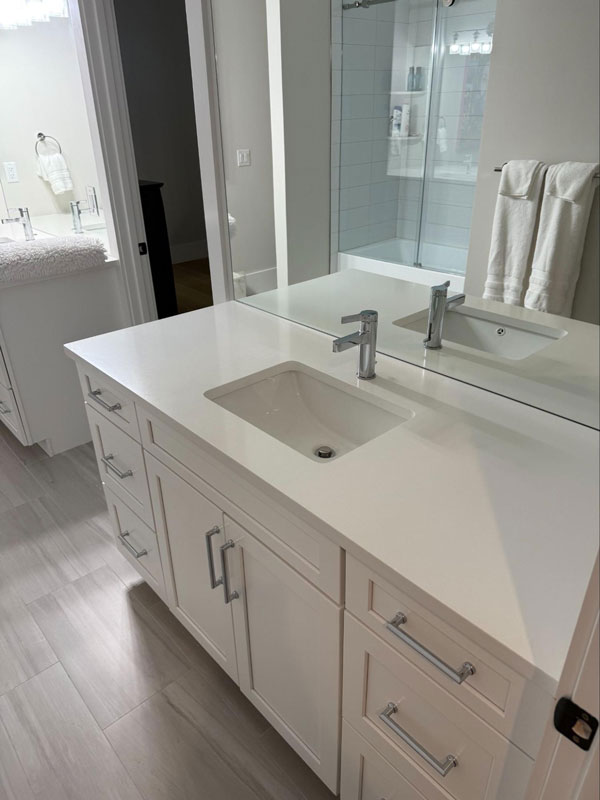
Moisture is one of the primary enemies in Florida’s climate. Surfaces may appear to be clean after a DIY cleaning process; however, moisture can remain trapped beneath the surface of the cleaned area.
Typical sites where moisture can become trapped include:
- Behind toilets
- Underneath sinks
- Around baseboards
- Inside the seals of washing machines
If moisture is not properly dried away, it can lead to the growth of mold and bacteria.
Time Pressure Leads to Skipped Steps
Many homeowners are in a hurry when they clean.
They might vacuum without moving their furniture, mop without rinsing before mopping, and wipe something down quickly without allowing enough contact time. These behaviours are not due to a lazy attitude; they happen because of the environment.
Unfortunately, skipping steps will always compound the `damage’.
Flooring: The Turning Point for Most Homes
Why Floors Suffer the Most
Floors endure more abuse and usually receive less amount of specialized care than other components of the home such as carpet & painted walls. Most homeowners in Florida deal with dirt; however, the type of dirt they deal with has a high level of sand content which makes it act as a grinding or polishing medium when tracked-in from foot traffic. The end result of this is that any do-it-yourself (DIY) method of cleaning merely cleans the visible portion of the dirt that has made it onto the floor, and the majority of times, the sand material is left within the existing finish.
I have seen many hardwood floor refinishes done prematurely, laminate floors swell, or vinyl lose their protective layer all without the homeowner doing anything negligent, but rather using inadequate cleaning methods consistently.
When DIY Is Enough for Floors
When the following four criteria are met:
- Shoes are removed indoors
- Frequent vacuuming is done
- Correct products for floor maintenance are used
- Control over moisture
However: Once the flooring starts to show wear, DIY cleaning cannot restore the floor.
Upholstery and Carpets: Hidden Damage Zones
What DIY Cleaning Misses
Soft surfaces such as upholstery (carpets) and bedding are made of fibers that capture oils, allergens (dust mites), pet dander and bacteria deep in them. While frequent vacuuming helps improve the look of those items, it does not effectively eliminate the embedded The result of this problem is a list of bad things that grow as time passes, such as:
- Permanently retaining odor
- Becoming discolored
- Decreasing the overall life expectancy of furniture
Replacement Is the Real Cost
Most of the time when homeowners call for help, they will have to replace their items instead of preserving them through regular professional care.
Appliances: Clean Outside, Dirty Inside
The Illusion of Clean
Carpets, rugs, and furniture trap oils, allergens, pet dander, and bacteria. Vacuuming alone does not remove these contaminants.
Most appliances no longer work properly when they appear clean. Appliances such as ovens collect grease on the back of them, dryer vents collect dirt and debris within, and appliance doors collect food residue inside the door seal.
Most do-it-yourself cleanings do not take care of:
- Dryer venting systems
- Refrigerator condenser coils
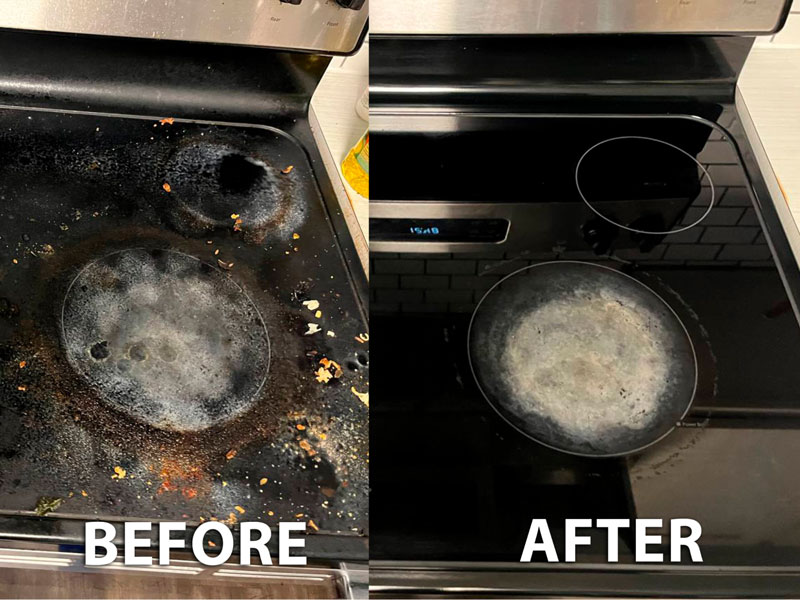
Failure to maintain parts of an appliance increases the likelihood of energy consumption for use of the appliance, appliance malfunction, and safety hazards.
Health Isn’t Always Visible
Air Quality Matters
Dust, allergens, and mold spores don’t announce themselves. They accumulate quietly and impact respiratory health over time.
Homes that appear clean can still contribute to:
- Allergies
- Fatigue
- Respiratory irritation
This is where professional cleaning services in Tampa add measurable value.
The Smart Balance: DIY Plus Professional Support
Together, they make the ideal home. DIY cleaning – the first step in managing your home. professional cleaning – the second step in managing your home
Together, They Create a Balanced Home Environment:
- Promotes Better Indoor Air Quality
- Increases Surface Lifespan
- Prevents Costly Repairs
Long-Term Thinking Saves Money
Due to the predictable nature of professional cleaning services (budgeted) versus the sudden and expensive consequences of neglect and repairs.Based on experience, major surface failures are almost always the result of small, preventable issues.
Final Thoughts
While doing it yourself for cleaning is important and beneficial, there are times when you should go beyond just doing it yourself. Learning to know when to seek professional assistance can help you prevent harm to your home, health, and bank account, especially in the harsh weather of Florida.
Cleaning is not all about perfection; it is about protecting your property and the people living in it. How you view cleaning has a significant impact on your cleaning habits.
FAQ
OTHER ARTICLES

Hey everyone, I’m Khrystyna! I’ve got experience in all sorts of cleaning, which I gained at Wow Now Cleaning. Now I’m sharing it with you all! I’d appreciate any comments or feedback on my tips, so feel free to write!
10 Comments
I’ve always been very consistent with my own cleaning and honestly thought that was enough. After reading this, I realized I’ve been focusing only on what I can see. The part about moisture being left behind really made me stop and think – especially living in Florida.
Floors take the most abuse and usually get the least specialized care. Florida sand is especially hard on finishes over time.
The section about flooring really stood out to me. We refinished our hardwood floors way earlier than expected and never understood why. Now it makes sense – sand, foot traffic, and cleaning methods all played a role.
Floors take the most abuse and usually get the least specialized care. Florida sand is especially hard on finishes over time.
I liked that this article didn’t shame DIY cleaning. It helped me understand where it works and where it doesn’t. I definitely recognized myself in the ‘skipping steps because of time’ part.
That balance was important to us. Most homeowners aren’t doing anything wrong – they’re just busy, and time pressure changes how cleaning gets done.
The appliance section was eye-opening. Our washer and dryer have had issues, even though we ‘clean them.’ I never once thought about vents or seals being part of the problem.
Appliances often look clean while buildup continues inside. Those hidden areas affect performance, safety, and lifespan.
What I appreciated most was the idea of combining DIY cleaning with professional help instead of choosing one or the other. That feels realistic for a normal household.
That combination is usually the smartest approach. DIY handles daily upkeep, while professional cleaning protects long-term surfaces.