


If you are someone who experiences sneezing, itchy eyes, or nasal congestion while living in Tampa, there are many others just like you. A number of homeowners in this area also depend on local cleaning service providers to help maintain their homes free from allergens and irritants. For various reasons, including the humidity and climate in Florida, managing indoor allergens is often very difficult. Frequently on our cleaning services Tampa homepage, we hear from families that report feeling relieved after implementing different cleaning techniques that reduce indoor allergens.
Tampa’s Allergen Challenges
There are many benefits to living in Tampa. We get a lot of sunshine virtually the whole year; we have many lovely outdoor areas to spend time, and the weather is warm. However, the same weather conditions that attract many people to Florida also produce favorable climates for allergens.
Dust mites thrive in high humidity; therefore, it is not surprising that the humidity in Florida will create a breeding ground for these insects. Additionally, pollen counts are often high for much of the year as numerous plants bloom at various times throughout the year. Due to frequent rains, coupled with warm temperatures, the potential for mold to grow (outdoors and Indoors) is high.
People who are allergic to dust or dust mites do not realize that their symptoms often worsen when they are inside. Your house may expose you constantly to allergens, sometimes even without you being aware of it.
Fortunately, by using good housekeeping practices and consistently maintaining your home, you can significantly enhance the quality of indoor air.
Request an Estimate Today
Make your home spotlessly clean with Wow Now Cleaning
Common Indoor Allergens
The first thing to do to have a healthier house is to learn what causes your allergies to flare up.
Allergic Reactions to Dust Mites
Dust mites are tiny bugs that live in warm, moist places, and the humidity and heat of Tampa’s climate make it a perfect place for them to grow. Dust mites prefer to rest on the following items:
- Mattresses
- Pillows
- Upholstered furniture
- Rugs and carpets
- Curtains
- Bedding
Although dust mites do not bite you, the protein from their waste can make your allergies flare up! People who have dust allergies usually notice flare-ups when they wake up in the morning because most mattresses have high amounts of allergens.
Pet Dander
Dander (also known as skin dander) describes tiny bits of skin that are shed by animals (including birds). You may have a clean and well-kept (house) but still have pet allergens/dandruff present.
Dander particles are very lightweight and easily adhere to clothing, bedding or furniture. They can stay in the air for days at a time.
Many people think they can just remove their pets’ hair from their homes to eliminate allergens, but it is the microscopic particles that stick to these surfaces that are responsible for many of the allergic reactions people have to pets.
Pollen
Pollen continues to be one of Tampa’s most common allergens throughout a majority of the year. Pollen can enter your home through:
- Open Windows
- Shoes
- On Your Clothing
- Your Air Conditioning Unit
- Your Pets That Have Been Outdoors
Pollen can quickly build up in a home regardless of how little time you spend outside.
Mold Spores
Florida’s humidity makes mold another major concern.
Mold commonly develops in:
- Bathrooms
- Laundry rooms
- Kitchens
- Air vents
- Closets
- Window frames
Even small amounts of mold may trigger respiratory symptoms and worsen allergies.
Cleaning Techniques That Reduce Allergens
Many people believe that frequent cleaning will help them with their allergies; however, this is not always the case. Understanding how to reduce allergens in the home starts with using the right cleaning methods instead of simply cleaning more often. There are some methods of cleaning that do a good job of removing allergens from surfaces and there are some that just move them around.
Use HEPA Filter Vacuums
HEPA filtered vacuum cleaners are able to remove allergens much better than standard vacuums since standard vacuum cleaners tend to reintroduce allergens back into the air when you use them.
Vacuuming will effectively remove these allergens from your home.
Some of the allergens that HEPA filter vacuums are able to eliminate include:
- Dust Mites
- Pollen
- Pet Dander
- Mold Spores
When you vacuum, give the most attention to:
- Carpets
- Area Runners
- Upholstered Furniture
- Mattresses
- Baseboards
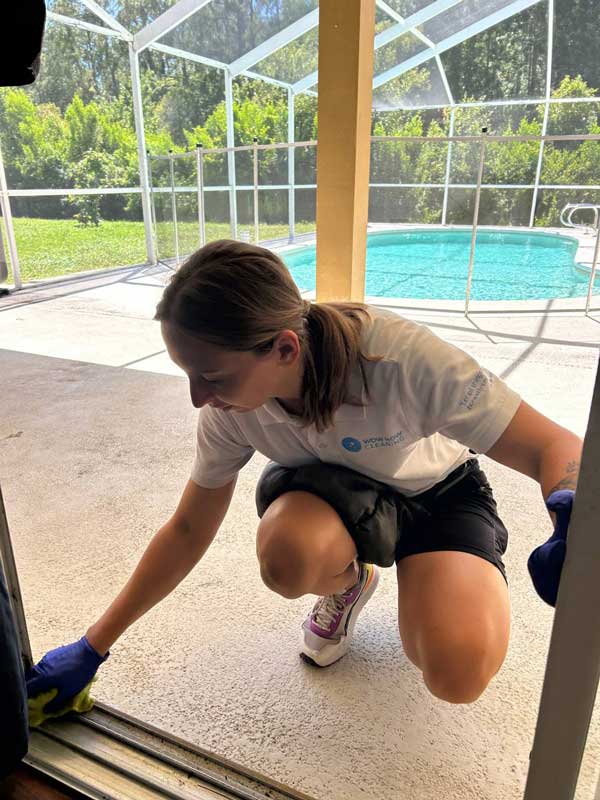
By vacuuming at least two to three times per week, most homeowners find that their vacuuming habits make a noticeable improvement in their allergy symptoms.
Damp Dust Instead of Dry Dusting
Many people dust with a dry feather duster or a dry cloth. Unfortunately, those types of dusting methods often just send dust particles swirling into the air.
Using a lightly dampened microfiber cloth will actually trap allergens instead of redistributing them.
Pay close attention to the following surfaces when cleaning with your damp microfiber cloth:
Shelves, ceiling fans, picture frames, televisions, window sills and lamps
Simply using this one alternate method of cleaning can make a significant difference in the amount of dust and allergens in your home.
Wash Bedding on a Regular Basis
Since dust mites live in bedding, it is very important to wash your bedding on a regular basis (at least once a week). Wash all sheets and pillowcases in hot water to remove:
Dust mite allergens, sweat, skin and pet dander.
Most allergy specialists recommend washing all bedding once a week.
In addition, using mattress protectors and pillow protectors designed specifically to control allergy problems can give you an added benefit of extra allergy control.
Reduce Clutter
Get Rid of Clutter
Dust accumulates in many different areas of your home because of the amount of clutter around you. All of the objects below create extra places for dust to settle in your home:
- Decorative Throw Pillows
- Stacks of Books
- Extra Blankets
- Stuffed Animals
- Storage Boxes
While you don’t have to adopt a completely minimalist lifestyle, reducing clutter makes cleaning easier and helps prevent allergens in home environments from building up on surfaces and fabrics.
Clean Soft Surfaces
Many people think about cleaning their floors and countertops but forget about cleaning the fabric surfaces in their homes. Upholstered furniture has:
- Dust Mites
- Pet Dander
- Pollen
- Your Skin Cells
If you have your upholstery cleaned by a professional service regularly, you can reduce the amount of Allergens in your house and improve the air quality inside your house.
HEPA Filters and Air Quality
Air quality is a key component of managing allergies, and cleaning surfaces is just one element of being able to manage your allergies.
Upgrade HVAC Filters
Your HVAC circulates air throughout your entire house on an ongoing basis. Using high-quality filters will help trap pollen, dust, animal dander (pet), and mold spores. Maintaining a regular replacement schedule for your HVAC filters is very important. If a filter gets dirtied too much it will be ineffective and contribute to decreased air quality.
Consider Portable Air Purifiers
Air purifiers equipped with HEPA technology can be especially beneficial in:
- Bedrooms
- Home offices
- Living rooms
- Children’s rooms
They continuously remove microscopic particles from the air and can significantly improve comfort for allergy sufferers.
Humidity levels play a major role in allergen management.
Dust mites and mold thrive when moisture remains elevated.
In Tampa, many homes benefit from:
- Dehumidifiers
- Proper ventilation
- Bathroom exhaust fans
- Air conditioning maintenance
Maintaining balanced humidity often reduces allergen growth substantially.
Bedroom: The Most Important Room for Allergy Sufferers
When it comes to rooms that receive special consideration, the bedroom is where additional attention is warranted.
Following this line of reasoning, the average individual will spend roughly 1/3 of his or her available time in bed resting/sleeping; therefore, long term exposure to potential allergens has the potential to negatively impact health and substantially affect quality of sleep.
Focus on your Bedding.
Use:
- Washable bedding.
- Pillow protectors that repel allergens.
- Mattress covers (encasements).
- Clean sheets and pillowcases on a regular basis.
Making these simple suggestions may result in an immediate improvement in comfort.
Remove Dust Collectors
There are many things inside of Bedrooms that have hidden reservoirs of allergens:
- Decorative pillows
- Heavy window treatments
- Fabric headboards
- Stuffed animals
- Extra area rugs
By reducing these types of items, you may also significantly improve the air quality in your bedrooms.
Vacuum Under The Bed.
A lot of people forget about vacuuming under the bed altogether. Dust and other debris will continue to build up on the underside of the bed and will be circulated back into the bedroom each time something is moved that disturbs these areas.
Vacuuming underneath all furniture in the home regularly is one of the simplest steps to reducing allergens in the home.
Do Not Allow Pets In The Bedroom.
If you have pets and they sleep with you, this may be an issue for you; however, pet dander accumulates quickly in bedding and other soft surfaces. When you limit your pet’s access to sleeping areas, there will often be a marked improvement in allergy symptoms.
How Often to Deep Clean for Allergies
There is no universal schedule because every household is different.
However, a practical routine may include:
Daily Tasks
- Wipe kitchen surfaces
- Reduce visible dust
- Manage pet hair
- Keep floors free of debris
Weekly Tasks
- Vacuum with HEPA filtration
- Wash bedding
- Dust furniture
- Clean bathrooms
Monthly Tasks
- Wash curtains
- Clean vents
- Vacuum mattresses
- Deep clean upholstered furniture
Seasonal Tasks
- Deep clean carpets
- Clean behind appliances
- Sanitize neglected areas
- Inspect for mold growth
Consistency matters more than perfection.
Many families only think about allergies when symptoms become severe. In my experience, preventive cleaning delivers far better results than waiting until allergens have already accumulated.
Professional Allergy-Focused Cleaning
It is not uncommon for even committed homeowners to find it difficult to manage allergens found indoors. Certain areas require specialized cleaning methods using specialized equipment run by professionals. The following are places where a professional cleaning service can clean up allergens that may be hiding:
- The fibers of carpeting
- The upholstery of furniture
- The mattress
- Areas within the home that are not easy to reach
- The ventilation system of the home
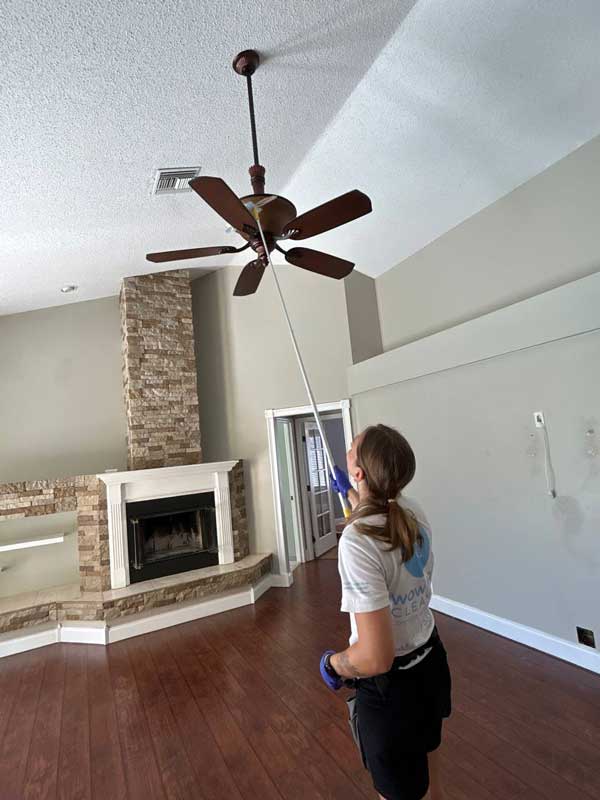
As an ISSA-certified cleaning service Tampa homeowners trust, we have seen firsthand how targeted cleaning can transform indoor environments for families dealing with allergies and ongoing respiratory sensitivities. This is because our objective is to do more than just have a home appear to be clean, but also to eliminate debris that causes respiratory distress and discomfort to those living in the home.
Our allergy-friendly cleaning methods focus on successful removal of dust and other particles, successful cleaning of surfaces and other particulates in the home, and minimize the redistribution of allergens into the air. Our clients regularly tell us that they are sleeping better, experiencing fewer symptoms upon waking up, and having better indoor air quality since using an allergen focused cleaning method in their homes.
Final Thoughts on Reducing Allergens in Your Tampa Home
Tampa residents needn’t live with chronic allergy problems. While the high humidity and year-round pollen in Florida can be a challenge, properly executing cleaning processes will make a significant difference.
Finding out how dust and allergies are linked, adequately maintaining humidity levels, using higher quality air filter systems, and using and maintaining thorough cleaning routines are all ways to help improve your home’s air.
The most important thing to remember is that getting rid of allergens is an ongoing process, not a one-time project. Regularly practicing small habits will usually create a much larger impact. When you take a proactive stance and pay attention to the areas where allergens tend to stay, you can have a cleaner and more comfortable home environment and breathe easier on a daily basis.
FAQ
OTHER ARTICLES

Hey everyone, I’m Khrystyna! I’ve got experience in all sorts of cleaning, which I gained at Wow Now Cleaning. Now I’m sharing it with you all! I’d appreciate any comments or feedback on my tips, so feel free to write!