


The process of relocating to a new house always invokes a sense of new beginnings. When all of the boxes are stacked and the furniture has been positioned in a way that seems tidy, the first impression may be that the home is clean. However, in the years that I have been a Tampa cleaning company working with clients who have recently purchased their homes, I have found a recurring theme among my clients; that while a home may appear to be clean visually, it seldom “feels” clean after living there for some time.
The previous occupants of any residence have left a physical and lifestyle imprint on the property. The methods of cooking, having pets, the amount of moisture and airflow in the dwelling, the routines of cleaning, and so forth, leave traces behind that form a layer of “invisible dirt” throughout the home. Most people do not notice these things during the selling process since they tend to focus on floorplans, light fixtures, etc.; however, after several weeks of living in their new home, many buyers will begin to feel uncomfortable in their new home – there will be dust on the surfaces that just got wiped clean; there may be smells that are unfamiliar; and the surfaces may have an unusual sticky feel when they were just wiped down.
This doesn’t mean that your new residence is dirty; it simply means that the existing environment in your new home has not yet been reset for you. Move-in cleaning is your chance to take possession of your physical property and to establish the living environment now, instead of waiting until your next visit!
What Actually Exists in a “Clean” Empty House
The Previous Life Residue
While most sellers do a clean upon leaving, they do so for presentation purposes versus transfer as living space. The purpose of a pre-sale clean is for visual neatness not to remove long-term build up. Therefore, there tend to be many hidden residues like: cooking oils solidified on cabinet doors, fine dust being blown around by the HVAC system, skin oil on door knobs and light switches, a soap film in the bathroom and bacteria found under appliances that may not have been moved for years.
While an empty house tends to look cleaner, because there is no clutter, it also causes airflow to change, and once you start to live in the house again the remaining surface contaminants are spread through your day-to-day activities.
The Smell Illusion
One common observation made by homebuyers and sellers alike is that after being viewed, the home had no odor. However, in less than one week’s time, formerly trapped odor molecules will have returned to the home, making it suddenly smell like the previous owner’s residence. Odor molecules can become trapped in porous building materials like paint, drywall, trim, and flooring, due to being contained throughout the closed house.
When the air in the home begins to change from no ventilation to a delayed (or no) humidity pattern, the previously sealed odor molecules are released (activated) back into the air. Cleaning will help to remove any residual odors rather than masking them.
Request an Estimate Today
Make your home spotlessly clean with Wow Now Cleaning
The First Cleaning Should Be Done Before Unpacking
People commonly make the mistake of putting in their furniture first and assuming that they will be able to give their home a good cleaning later. However, what usually happens is that once your furniture is in, you will have lost your ability to clean the floors, baseboards, closets, behind appliances, and around air returns.
When you clean your new home before you move in, you have full access to your entire house for one day. There will be areas in your house that will never be as accessible as they were the day you moved in; treating this opportunity with respect is critical to reducing the future maintenance required on your home.
Room-By-Room Move-In Cleaning Strategy
Kitchen – Reset the Most Sensitive Area First
How sanitary a home is in general depends on how well the kitchen is kept. A kitchen can be visually appealing, but there will still be a build-up of grease on all surfaces, and cooking vapour will travel throughout the room, depositing grease on all cabinet and appliance surfaces (including cabinet hinged points), all of which can create an expensive cleaning bill due to the continuous layer of grease that dust/dirt particles will adhere to.
Once surfaces have been left uncleaned and allowed to have either layers of dust/dirt accumulate on them, you will find it impossible to have clean surfaces due to the continuous layers of grease on them, no matter how many times you’ve attempted to clean them.
Cleaning is about breaking grease down into its original state rather than just scrubbing them until they’re shiny.
Bathrooms – Remove Mineral Memory
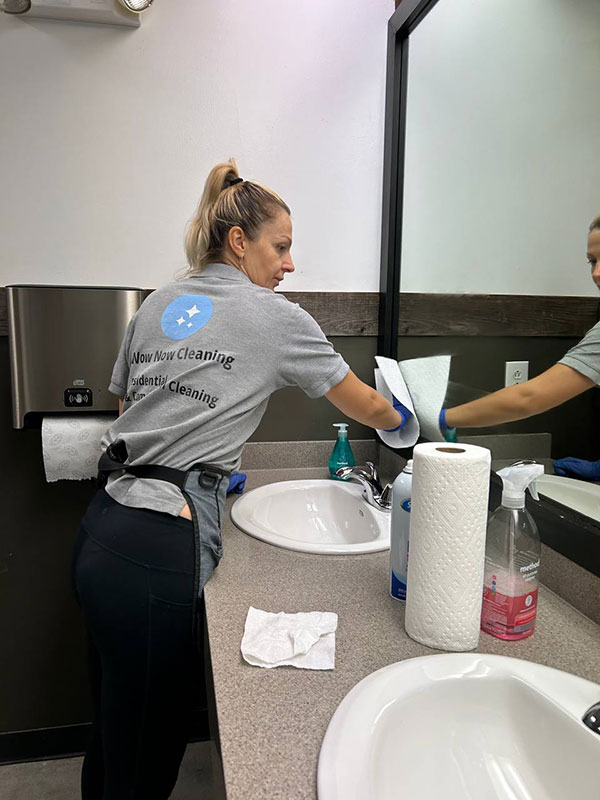
The bathroom is where you can see the most amount of evidence left over from past habits. A gradually build-up of minerals due to the addition of soap, scum, and water to the grout lines, drains, fixtures, etc. as new minerals continue to build on top of old ones makes removal increasingly more difficult. Cleaning will help prevent build-up from becoming permanent by ensuring there is a constant feeling of freshness in the bathroom versus just a temporary “refreshed” feeling.
Floors – The Emotional Foundation
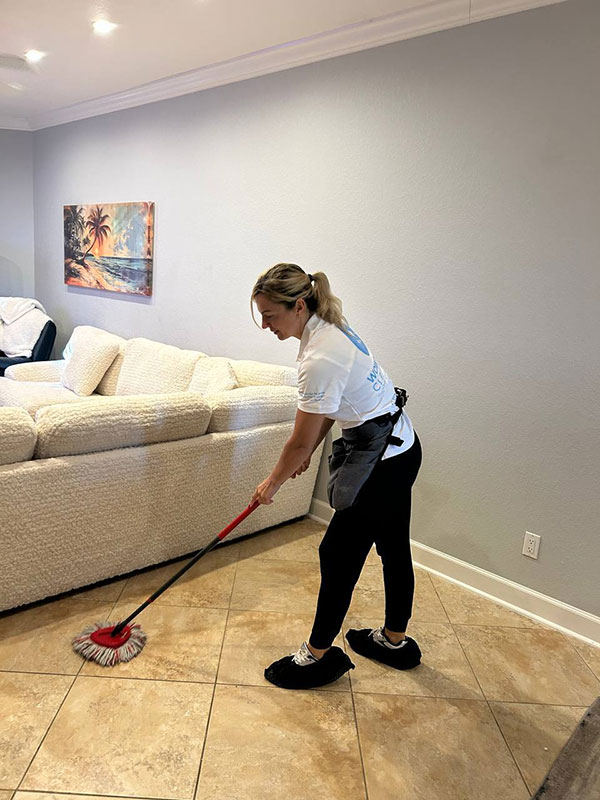
Upon entering a home, your first subconscious impression will be influenced by the type of flooring covering. Most people clean up after moving in, but will usually put additional detergent on a dirty floor to remove the residue. By removing the build up of previous cleaning products, you can greatly diminish the dulling of your floors and provide longer periods of time without having to maintain the same level of cleanliness.
Walls, Doors, and Contact Surfaces
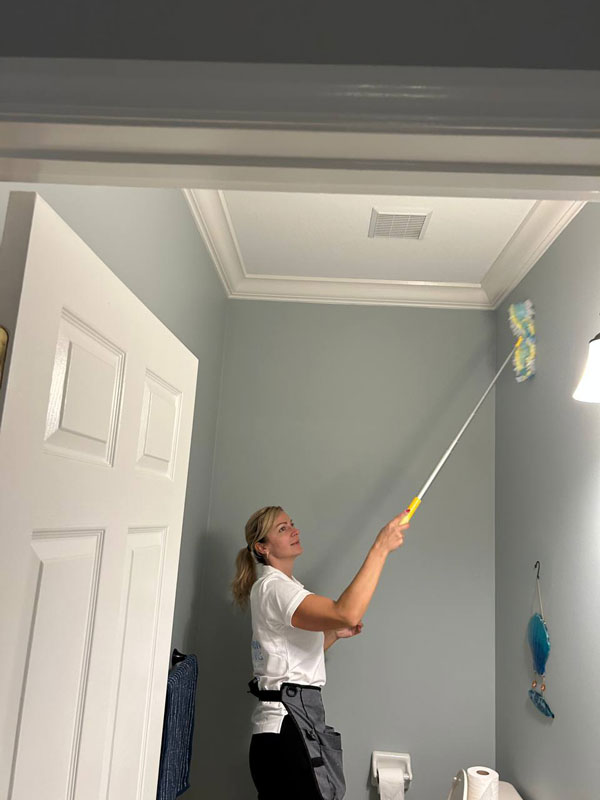
Most homeowners do not realise that vertical surfaces play a much greater role in determining how fresh their house feels than they think. Vertical surfaces (door edges, switch plates, vents, hallway walls, and railings) accumulate oil and other airborne particles over time. Because this build-up is not visible to the naked eye, it can create a large difference in the feel of your home within hours after you remove the build-up, and can help an occupied house feel brand new.
Air Quality – The Part Nobody Sees but Everyone Feels
Many people incorrectly associate a typical move with exposing themselves to pollen that causes them discomfort; however, it’s only after you open the door to your home or change the temp inside that you disturb these dormant airborne particles from the vents and returns and put them in motion which causes you discomfort from the start of the dust and dander returning to the normal living area. Cleaning up around all of the areas that contact with airflow will help minimize the new allergy effects for your new home and allow your new home to “get used” to you and your family. You will realize once all of your furniture is in the house that your new home has become yours by the fact that there is no longer an “air smell” to remind you of the previous occupant.
DIY vs Professional Move-In Cleaning
When DIY Works
As a homeowner, there is likely some visible cleaning that you will do, such as dusting shelves and flooring, and disinfecting the surfaces that you have access to. Furthermore, much of the cleaning that occurs during a moving process is subject to extreme time restrictions, and generally speaking, the cleaning that is conducted under a time constraint creates more residual from the area that is being cleaned than actually cleaning the area.
What Professional Cleaning Actually Changes
Homeowners can expect to have a more long-lasting clean with a move-in clean, using the right chemicals in the right order to prevent streaking, eliminate odour sources and create a neutral base for ongoing maintenance, than what they may have experienced with previous cleaners or as a result of using the wrong chemicals or incorrect cleaning tools.
Homeowners will notice that due to correctly cleaning their home, dirt will have a harder time sticking to surfaces, thereby reducing the frequency at which they will need to clean their home.
The Long-Term Impact of Proper Move-In Cleaning
The first clean is crucial to how easy/hard your next cleans will be! If completed efficiently, then dust builds up slower, surfaces wipe off easier, as well as odours not being absorbed into your home’s materials. If you don’t complete this step you’ll likely be doing unnecessary extra work trying to keep up with all the extra wear and tear your house has gone through from not being properly cleaned on move-in. Thus far you have established the cleaning approach you want for the entire life cycle of your house.
Final Thoughts
Moving offers a unique chance for a fresh start, both with a new accessible home and an emotional resetting of yourself. Many people find themselves reorganising their belongings rather than establishing their standards of cleanliness, which is where they spend the majority of their energy.
As such, the new homes that will be most easily maintained will not be recent builds, but rather homes that have undergone appropriate resetting prior to living in them regularly. This is why many homeowners turn to professional cleaning services Tampa FL before moving in, ensuring that every surface is properly prepared from the very beginning. A thorough cleaning of the home before it is decorated and furnished establishes the level of comfort experienced over time with that home—not just within the first six days.
FAQ
OTHER ARTICLES

Hey everyone, I’m Khrystyna! I’ve got experience in all sorts of cleaning, which I gained at Wow Now Cleaning. Now I’m sharing it with you all! I’d appreciate any comments or feedback on my tips, so feel free to write!
6 Comments
I honestly thought the house was perfectly clean when we got the keys. No smell, shiny floors, everything looked great. But after about 3–4 days the place suddenly started smelling like cooking oil and spices, especially near the kitchen cabinets. I was worried something was wrong with the ventilation. Now after reading this, it sounds like the odor was already there, just trapped?
Yes – that’s exactly what usually happens. During showings the house stays closed and neutral, but once you begin living there (temperature changes, airflow, humidity), the odor molecules reactivate from cabinets, paint, and drywall. It feels sudden, but in reality the smell was always present. A proper move-in cleaning focuses on removing the residue causing the odor instead of masking it.
We moved all the furniture in first because we were tired after the move and planned to clean later. Big mistake. Now I literally can’t reach behind appliances, washers, or some baseboards. The house never feels fully clean even though we clean every week. I didn’t realize that one day actually matters that much.
You described the most common long-term cleaning problem homeowners face. The first day is the only moment the home is completely accessible. After furniture is placed, some areas may remain untouched for years, and those areas slowly affect the overall feeling of cleanliness. That’s why move-in cleaning is less about appearance and more about resetting the environment before daily living begins.
I kept sneezing after moving in and blamed the pollen season. But only inside the house, not outside. The part about airflow and vents spreading old dust actually explains it perfectly. We never cleaned the air returns or vents before living here.
Exactly – many people think it’s outdoor allergens, but indoor particles become active when the house transitions from empty to occupied. Dust sitting in vents, returns, and upper surfaces gets redistributed once airflow patterns change. Cleaning these areas early dramatically improves how the home feels to live in.