


If you live in Florida long enough, sooner or later you’ll notice that strange pinkish film forming in your shower, around the faucet, on the silicone edges, or even along the bottom of your shower curtain. And yes, it looks unpleasant – sometimes even alarming – especially if you’re doing your best to keep your bathroom clean. And before I continue further, I’ll say this directly: if one feels overwhelmed by constant bathroom maintenance or simply doesn’t have the time, our cleaners Tampa can resolve this problem for you in a fast and professional way.
Back to the pink stuff. The first time I saw pink mold, I remember thinking, “How can something grow this fast?” It felt like it appeared overnight. But after years of living in Florida and working in the cleaning industry, I’ve learned that this pink residue is practically a normal part of Florida living. Not pleasant – but normal. The good news? You can get rid of it and keep it away once you understand what causes it.
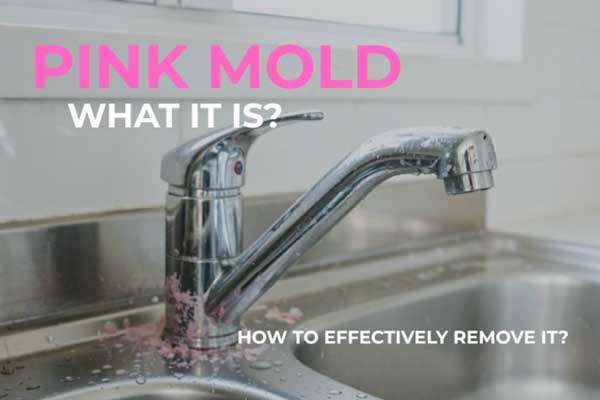
What Exactly Is Pink Mold?
The shocking reality: it’s not mold at all. You may be surprised to find that this stuff is not mold at all, but rather a bacteria called Serratia marcescens. They love to grow in places where:
- It’s warm and humid,
- has little to no ventilation,
- soaps, shampoos and oils accumulate.
This is why your bathroom, especially here in Florida, is the perfect living environment for Serratia. Even if you clean on a regular basis, the combination of heat and humidity along with the product buildup will allow those pink colonies to grow much quicker than you would think.
Why It’s So Common in Florida
Florida has the perfect year-round tropical spa for bacteria, where warm conditions, almost daily showers, and limited bathroom ventilation (especially in apartments) can cause pink mold to return even after thorough cleaning – and that doesn’t mean your home is dirty, it’s just the environment. I’ve seen extremely clean well-kept homes get pink mold simply because a fan was too weak or the shower stall was simply too enclosed. So, don’t beat yourself up; just know the correct techniques.
Request an Estimate Today
Make your home spotlessly clean with Wow Now Cleaning
Is Pink Mold Dangerous?
Pink mold can:
- irritate sensitive skin,
- exacerbate allergies,
- trigger mild respiratory problems,
- affect children or pets more intensely,
- can become stubborn if not treated.
It is not the most dangerous bacteria, but at the same time, it is not something that should be ignored.I’ve personally experienced mild irritation after showering in a bathroom with noticeable pink residue. So while pink mold won’t make your home a health disaster, it’s definitely something you want to remove – consistently and correctly.
A Realistic, Tested Guide
Step 1 – Basic Cleaning First
Daily cleaning products should not be your first step. Just take off the top layer. Hot water with a cleaning brush is perfect for this. This remove the very slimy outer film and allows products to actually get into the sources of bacteria. I’ve learned over the years (and even as a phew years-old child, when my mother told me to do this) that skipping this step is always a waste of time, because it makes the entire effort ineffective.
Step 2 – Dawn
I recommend Dawn for just about anything and not just because it is a “brand name” product, rather because it does work on some types of bathroom residue. Here’s what I do:
- Add a generous amount of Dawn to the affected area.
- Give it about 10 to 15 minutes to dwell.
- Then scrub with a brush.
- After, rinse with pretty warm water.
Here’s why Dawn works so well on the residue. Serratia bacteria feed on the same organic residue that Dawn helps to dissolve or break apart (i.e., if you are acid/alkaline resistant, I typically recommend using an acidic product unless the residue is attached to the surface). Once you remove a “food” source for a bacteria, they cannot survive and grow there anymore.
Step 3 – Apply White Vinegar to Kill Bacteria
White vinegar is a natural disinfectant and works to address the bacteria at the root.
Mix:
- 1 part white vinegar
- 1 part warm water
Spray the mixture on, let it sit for 20 minutes, then rinse. This combination is most effective on tile walls and around faucets.
Step 4: Baking Soda for Stubborn Spots
For when the pink mold has dug deep into the silicone or grout, baking soda paste is the fix.
Mix: baking soda + a few drops of water.
Apply the paste thickly, leave for 1–2 hours, scrub and rinse. This is the method I constantly use in Florida homes, especially on silicon seals.
Step 5 – For Shower Curtains
Fill the tub with hot water. Add to that half a cup of vinegar and a squeeze of Dawn. It comes out almost brand new.
Step 6 – A surprisingly effective trick: Aluminum foil
I learned this from another cleaner years ago-and it actually works.After cleaning your faucet or chrome fixture, lightly rub it with a piece of aluminum foil. It forms a thin layer of protection that prevents residue and bacteria from clinging back on as fast.I do this religiously now.
How to Prevent Pink Mold in Florida
Focus on Ventilation
If there’s no window in your bathroom, keep the door open after showers, run the fan longer, or install a stronger one. Ventilation alone prevents 50% of pink mold cases.
Wipe Down Wet Areas After Showering
Using a squeegee takes less than 30 seconds and drastically reduces moisture.
Weekly Vinegar Mist
Once a week, spray vinegar on the walls, leave it for a minute, and rinse. It prevents buildup before you even notice it.
Replace Shower Curtains Regularly
Every 2–3 months is ideal – especially in humid climates.
When You Should Call Professional Cleaners
There are situations where pink mold keeps coming back no matter what you do. That’s usually a sign the bacteria has penetrated deeper into porous surfaces. Call a cleaning company when:
- the mold returns weekly,
- silicone seals are deeply stained,
- pink mold spreads across multiple areas,
- you see it in the kitchen (indicating humidity problems),
- you simply don’t have time for constant upkeep.
Professionals not only remove the bacteria but also disinfect and protect surfaces. Many Florida homeowners are shocked by how long the results last after a professional treatment. Please contact us, I remind you, our cleaning service in Tampa: https://www.google.com/maps/place/?cid=15032341481708642809
Conclusion
It’s annoying, persistent, and it’s definitely not something you want growing in your bathroom. But it’s also extremely common in Florida homes-even the clean ones. With proper cleaning methods, the right ventilation, and excellent weekly habits, you can keep it away for good. And if you want your bathroom or kitchen to look and feel fresh without you having to spend hours scrubbing, then our team is always ready for assistance. A clean home isn’t just about appearances; it is about comfort, health, and that feeling of stepping into a space that finally can breathe again.
FAQ
OTHER ARTICLES

Hey everyone, I’m Khrystyna! I’ve got experience in all sorts of cleaning, which I gained at Wow Now Cleaning. Now I’m sharing it with you all! I’d appreciate any comments or feedback on my tips, so feel free to write!